Unpacking Networked Invite Systems That Prolong Digital Punto Banco Sessions
Referral structures in online punto banco environments operate through layered invitation chains where one participant brings others into the platform and those new entrants generate further connections that sustain activity across extended periods. Data collected through June 2026 shows these networks often create feedback loops that tie individual play cycles to group incentives distributed by virtual table operators.
Core Components of Interlinked Referral Systems
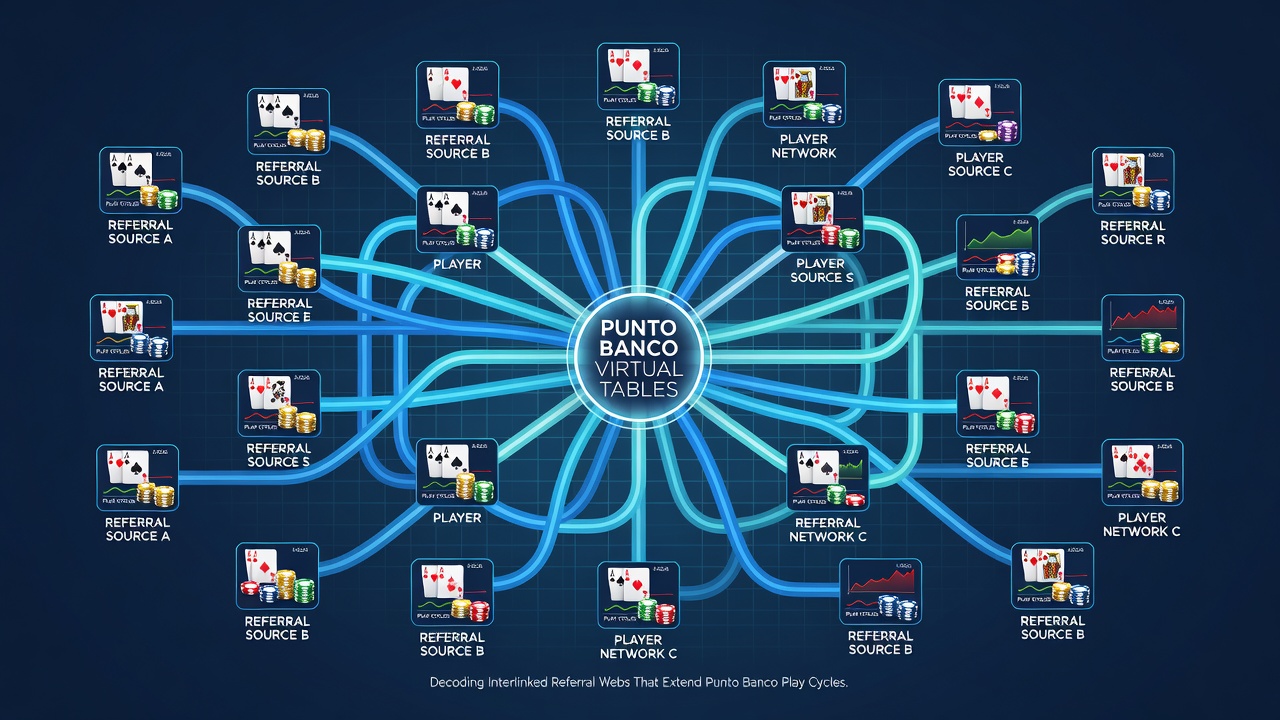
Operators track referral paths using unique codes assigned at registration which link back through multiple levels of users. When a referred player completes a set number of hands or reaches specific wager thresholds the originating participant receives credits or extended play time while the new entrant gains access to matched deposits that encourage continued rounds at the virtual tables.
Platforms record session metrics tied to these chains including average duration per user and frequency of returns after the initial referral event. Reports from the International Gaming Institute indicate that players entering via multi-tier referrals maintain active accounts for an average of 18 percent longer than those who join independently.
Mechanics Driving Extended Play Durations
Once a referral chain activates bonuses often reset on a rolling basis tied to the collective activity of linked accounts. This design means that when one participant logs in and places bets the system can unlock additional hands or reduced house edges for connected users encouraging them to stay engaged rather than end sessions early.
Algorithms monitor the depth of these webs and adjust reward timing accordingly so deeper networks receive staggered incentives that spread across days or weeks. A study released by the University of Nevada Reno's gaming research division found that referral-linked accounts in punto banco environments logged 27 percent more hands per week during the first quarter of 2026 compared with non-referred sessions.
Platform Variations Across Regions
European operators tend to emphasize cross-border referral tracking that connects users from different regulatory zones while maintaining compliance with local data rules. In contrast Asian-facing platforms focus on rapid chain expansion through mobile app integrations that notify participants whenever a downstream referral triggers a new bonus cycle.
North American virtual table providers have begun testing hybrid models that combine referral credits with loyalty tiers so longer chains unlock higher multipliers on winnings. Figures released by the New Jersey Division of Gaming Enforcement for the period ending June 2026 revealed referral-driven accounts contributed 14 percent of total punto banco volume on licensed sites during that month.
Tracking and Compliance Considerations
Operators maintain detailed logs of referral activity to meet audit requirements from oversight bodies. These records capture the sequence of invitations, bonus redemptions and resulting session lengths so regulators can verify that incentives do not violate responsible gaming standards.
Third-party analytics firms supply tools that map these webs in real time allowing platforms to identify when chains reach saturation points where additional referrals yield diminishing returns on play duration. Such mapping helps operators recalibrate reward structures before networks lose momentum.
Future Developments in Referral Mapping
Advances in graph database technology now permit more granular analysis of how individual nodes within referral webs influence overall cycle lengths. Platforms experimenting with these systems in mid-2026 report improved ability to predict when a chain will naturally extend play or require fresh incentives to maintain activity.
Integration with live dealer feeds adds another layer where referred players can join the same virtual table as their inviters creating social reinforcement that further lengthens sessions. Early indicators suggest this feature will expand across more sites before the end of the year.
Conclusion
Interlinked referral webs function as structured networks that connect player entries to ongoing incentives and session tracking tools. Evidence from regulatory filings and academic reviews demonstrates measurable impacts on play cycle lengths across virtual punto banco platforms. Continued refinement of these systems through data analysis and regional adaptation points to sustained use of referral mechanics in digital card environments.