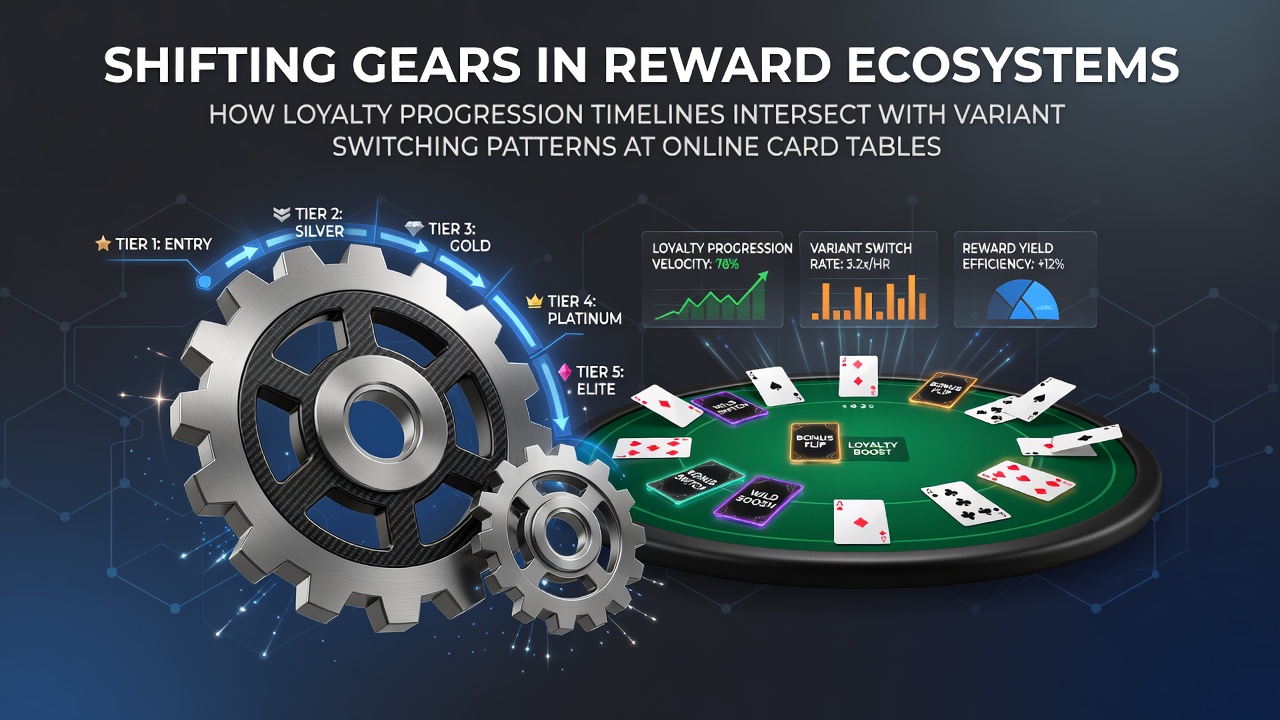
Shifting gears in reward ecosystems: how loyalty progression timelines intersect with variant switching patterns at online card tables
Online card platforms have developed intricate reward structures that tie player advancement directly to time spent in specific game variants, and recent figures from August 2026 show measurable shifts in how these timelines influence movement between table options. Data compiled by the Nevada Gaming Control Board indicates that loyalty tiers often reset or accelerate based on cumulative play within designated categories, creating clear intersections with the decisions players make when switching from one card variant to another.
Loyalty timelines and their structural mechanics
Progression through loyalty levels typically follows fixed intervals measured in hours or hands played, and operators align these intervals with bonus multipliers that increase at each threshold. When a player reaches a new tier, the system applies adjusted reward rates across all variants, yet the rate of advancement remains variant-specific in many programs. Research from the University of Macau Center for Gaming and Tourism Studies found that progression speed varies by as much as 22 percent between standard baccarat and side-bet heavy versions, prompting observable migration patterns once players near tier boundaries.
Variant switching patterns documented in platform data
Switching between card variants occurs most frequently during the final 15 percent of a loyalty cycle, according to aggregated session logs released by the Casino Regulatory Authority of Singapore in its 2026 quarterly review. Players often complete required hands in a faster-paced variant to secure the next tier, then return to preferred tables once the milestone registers. This behavior produces distinct peaks in traffic between 8 PM and 11 PM local server time on weekdays, while weekend patterns spread more evenly across the full cycle.
Intersection points between timelines and switches
The overlap between loyalty deadlines and variant changes creates measurable effects on session length and table occupancy. When a progression window closes within 48 hours, session data shows increased movement toward variants that award loyalty points at higher rates per hand. One analysis of European online operators released by the European Gaming and Betting Association documented a 17 percent rise in cross-variant traffic during the final two days of each monthly cycle, with the largest volume occurring among players holding mid-tier status.
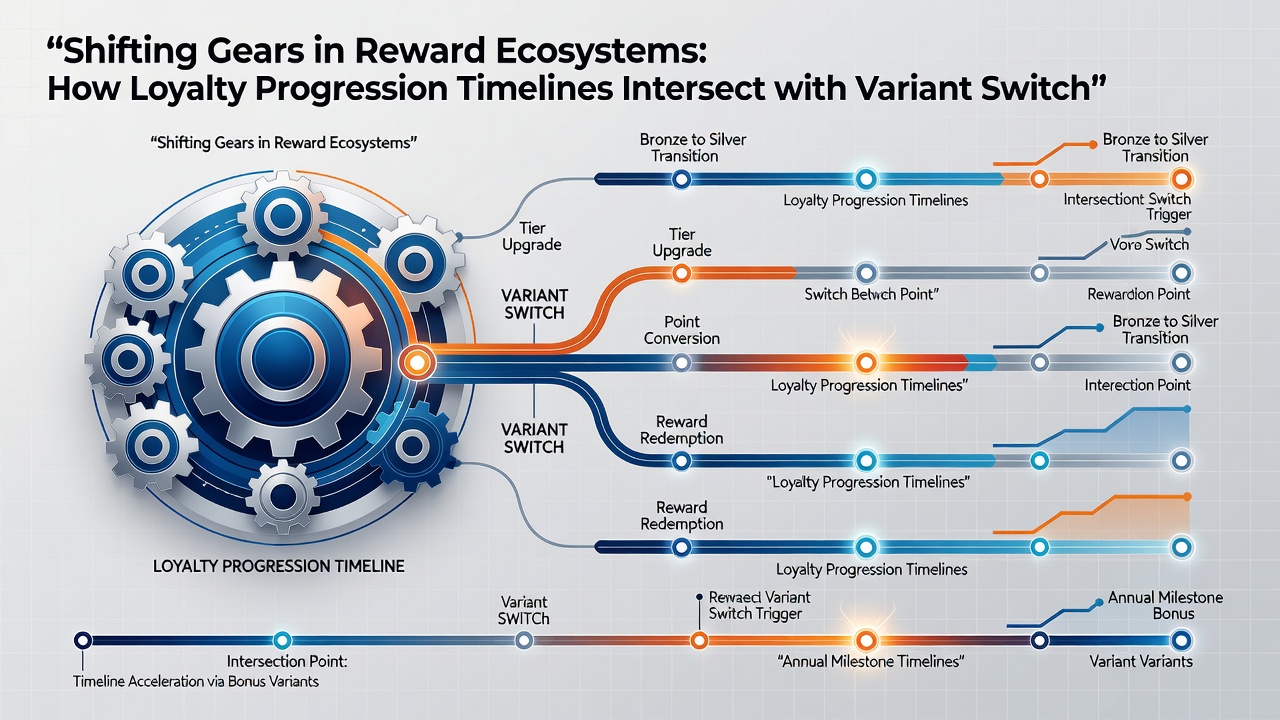
Platform algorithms respond to these patterns by adjusting visible promotions in real time, surfacing variant-specific incentives that align with remaining progression windows. Those who monitor their current standing receive tailored prompts that highlight the quickest route to the next tier, and the prompts correlate with documented increases in switching frequency during the same period.
Regional variations in reward design
Operators licensed in different jurisdictions apply distinct rules to loyalty timelines, and these differences affect switching behavior. Platforms regulated under the Alcohol and Gaming Commission of Ontario maintain longer accumulation windows that span multiple calendar months, resulting in lower switching intensity compared with systems that reset every 30 days. In contrast, several Asian-facing sites shorten the window to 21 days, and session metrics indicate correspondingly sharper spikes in variant changes during the final week.
Measurement challenges and available metrics
Tracking exact causation between loyalty deadlines and variant switches requires access to anonymized player-level data, yet most public reports aggregate at the platform level. The limited datasets that exist still reveal consistent timing correlations across multiple operators. Observers note that players who maintain detailed personal logs of their own progression often identify the same patterns that appear in broader industry summaries, confirming the intersection without relying on single-source statistics.
Conclusion
Loyalty progression timelines continue to shape variant switching patterns at online card tables through measurable timing effects and incentive structures. Data collected through August 2026 across multiple regulatory regions demonstrates that these intersections remain predictable, with the strongest activity concentrated near cycle endpoints. Continued monitoring of session logs and regulatory filings will clarify whether operators adjust their timeline structures in response to these established behaviors.