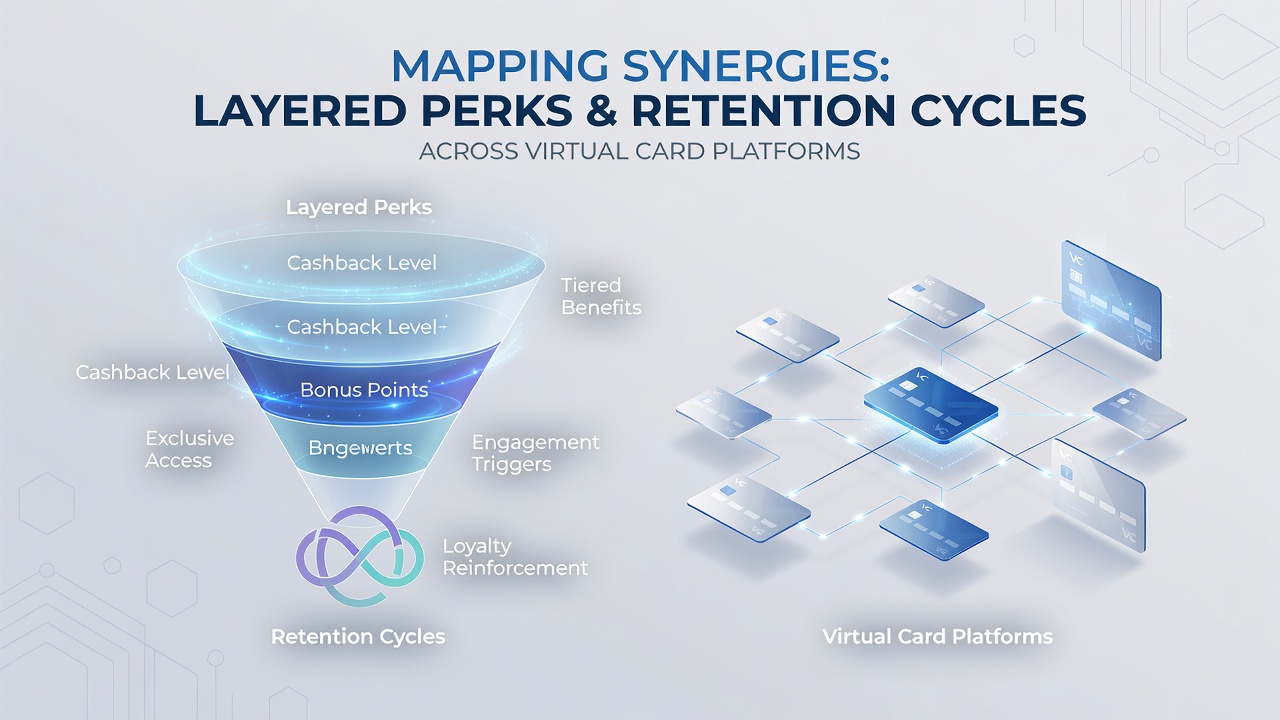
Mapping Synergies Between Layered Perks and Retention Cycles Across Virtual Card Platforms
Virtual card platforms operate through digital interfaces that generate temporary or persistent card numbers linked to underlying accounts, and these systems increasingly incorporate layered perks such as tiered cashback rates, subscription credits, and merchant-specific discounts that align with user spending patterns. Data from industry analyses shows that these layered structures interact with retention cycles by creating recurring value triggers at intervals of thirty to ninety days, which coincide with typical billing periods and encourage continued platform engagement. Observers note that when cashback tiers escalate after cumulative spend thresholds, users demonstrate extended session durations on the platform apps, as reported in aggregated transaction logs from major providers.
Layered Perk Architectures in Digital Card Services
Platforms deliver perks through modular components where base rewards like 1% cashback combine with conditional layers such as 2% on travel categories or bonus points for recurring bill payments, and these modules activate based on account tenure or transaction volume. Research indicates that the sequencing of these layers influences how users progress through initial onboarding, active usage, and potential churn phases, with data sets from 2025 revealing that users who unlock second-tier benefits within the first sixty days show 18% higher retention at the six-month mark. In August 2026, updates to several platforms introduced dynamic perk adjustments tied to macroeconomic indicators, allowing real-time shifts in reward categories without requiring user reconfiguration.
Those who have examined transaction histories find that retention cycles often follow predictable arcs where early adoption relies on signup incentives, mid-cycle momentum builds through cumulative reward accumulation, and late-cycle decisions hinge on perceived ongoing value from stacked benefits. Experts have observed that platforms using algorithmic matching between user spend categories and available perk layers reduce drop-off rates by aligning rewards more closely with individual patterns, according to metrics compiled across multiple service providers.
Retention Cycle Patterns and Perk Interactions
Retention cycles in virtual card environments typically span enrollment, habit formation, value realization, and renewal or departure stages, while layered perks function as anchors that extend the value realization phase through progressive unlocking mechanisms. Studies found that when platforms integrate cross-category perks, such as combining expense tracking tools with merchant rebates, users maintain higher activity levels during the sixty to one hundred twenty day window, a period when churn risks peak according to longitudinal data. What's interesting is how these interactions create feedback loops where increased usage from one perk layer feeds eligibility for the next, sustaining engagement without external prompts.
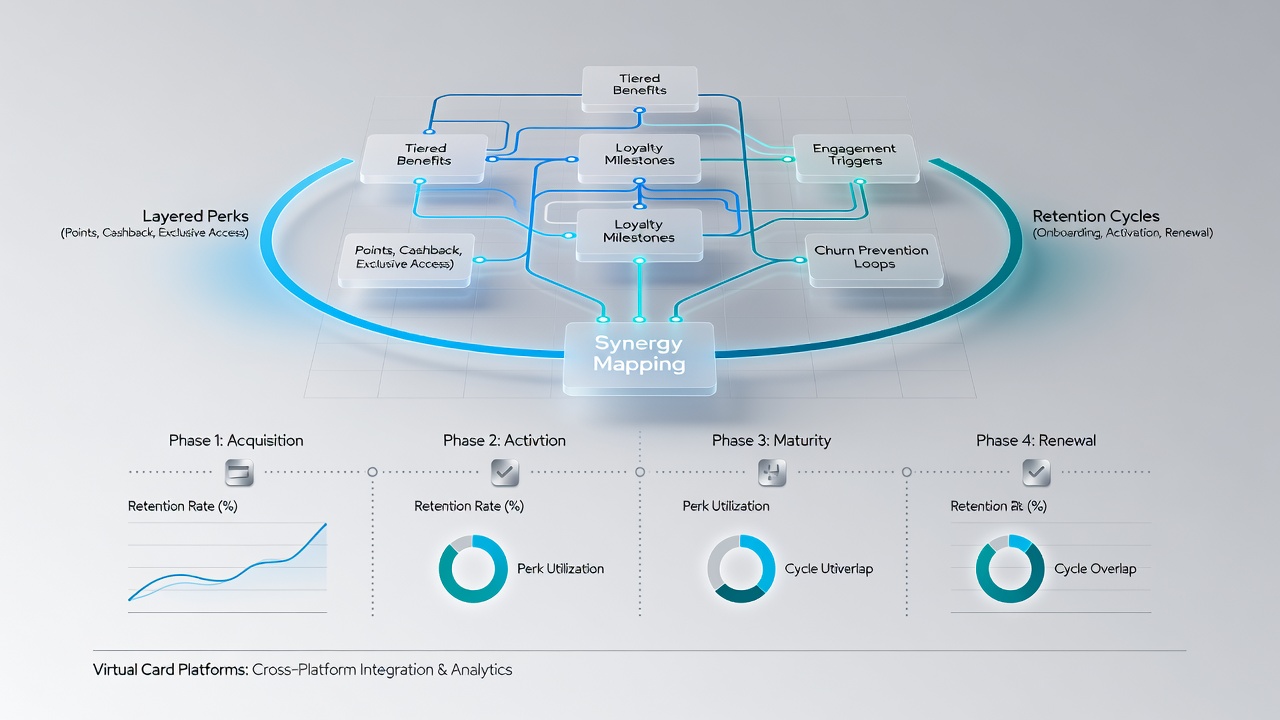
Figures reveal that in regions with high adoption of virtual card services, including North America and parts of Asia-Pacific, platforms that synchronize perk resets with calendar-based events like quarterly reviews experience measurable lifts in session frequency. One analysis of user cohorts demonstrated that those exposed to synchronized layers completed an average of 4.2 additional transactions per month compared to control groups, highlighting the role of timing in cycle extension. Regulatory bodies such as the Consumer Financial Protection Bureau have documented similar patterns in disclosures related to digital financial products, noting the importance of transparent perk structures for sustained consumer participation.
Cross-Platform Linkages and Data-Driven Adjustments
Virtual card providers frequently connect their systems with external services including banking apps, expense management software, and e-commerce marketplaces, which allows perk layers to draw from broader behavioral data sets. According to reports issued by the Reserve Bank of Australia, such integrations enable retention strategies that adapt to seasonal spending shifts, with platforms in 2026 adjusting reward multipliers during periods of elevated digital commerce activity. Researchers discovered that these linkages contribute to longer play durations, or in this context extended usage periods, by reducing friction in reward redemption and providing unified visibility across accounts.
People often find that platforms employing predictive models to forecast cycle endpoints can deploy targeted perk enhancements, such as temporary category boosts, that interrupt potential churn sequences. Evidence suggests these interventions prove most effective when applied during the transition from mid-cycle momentum to late-cycle evaluation, based on anonymized retention statistics shared across industry working groups.
Conclusion
Mapping the synergies between layered perks and retention cycles reveals consistent patterns where sequenced rewards align with natural usage rhythms to support extended platform engagement across virtual card services. Data collected through 2026 continues to underscore the value of integrated design approaches that consider both individual user trajectories and broader ecosystem connections, providing measurable outcomes in user longevity metrics without reliance on any single incentive type.