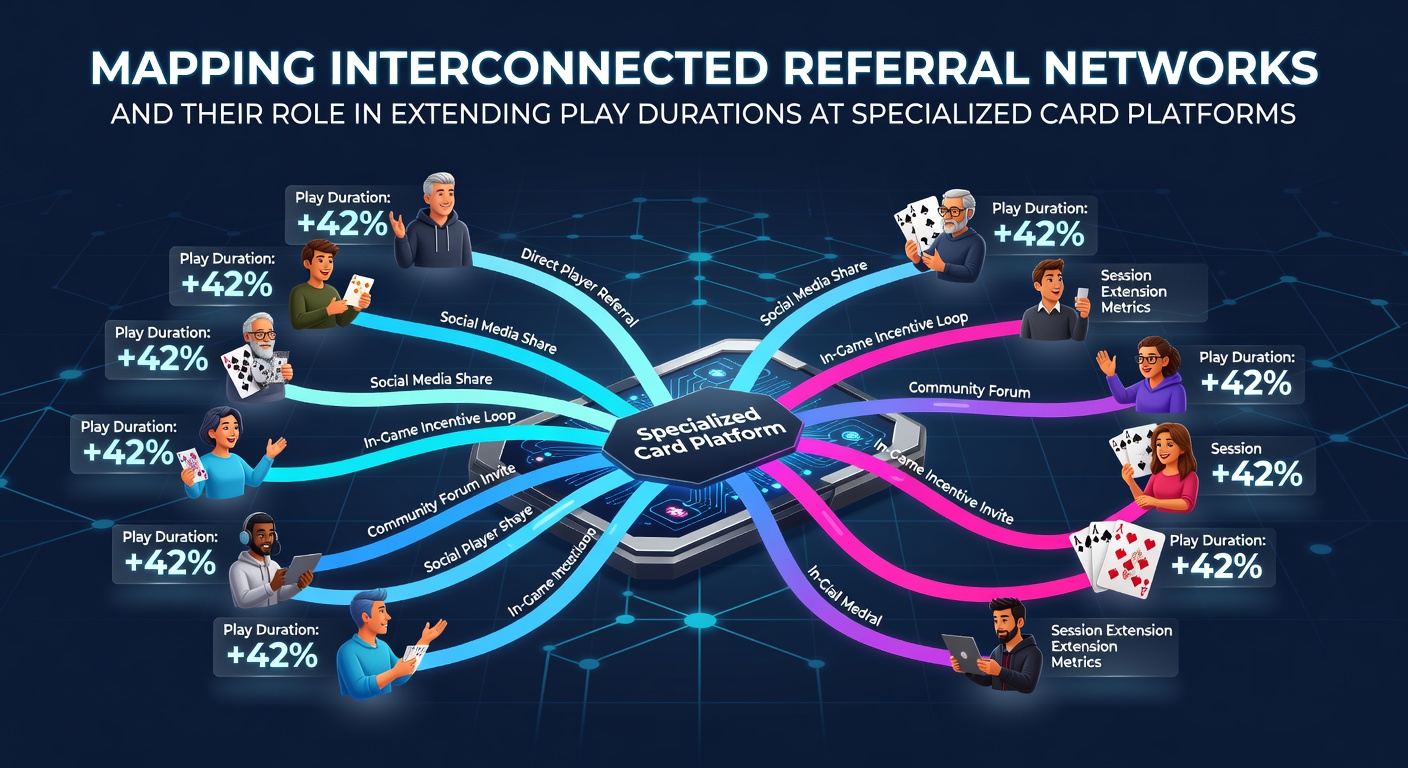
Mapping Interconnected Referral Networks and Their Role in Extending Play Durations at Specialized Card Platforms
Specialized card platforms have developed intricate referral systems that connect players through multi-level chains, and these structures directly influence how long participants remain active during sessions. Observers note that mapping these networks reveals patterns where initial referrals lead to secondary connections, creating webs that sustain engagement over extended periods. Data collected through platform analytics shows session lengths increasing when players enter via established referral pathways rather than direct sign-ups.
Tracing the Structure of Referral Chains
Referral networks on card platforms operate through layered connections where one participant introduces others who then bring additional users into the system. Researchers have mapped these chains using graph theory models that track nodes representing individual accounts and edges showing referral links. In June 2026 platform reports indicated that chains averaging four or more levels produced measurable extensions in average play time compared to shorter connections. Those studying the data found that players positioned deeper in the network often exhibit repeated logins because ongoing incentives tie back to the originating referrals.
Network Mapping Techniques Applied to Card Environments
Analysts employ visualization tools to chart referral flows across digital card venues, highlighting clusters where activity concentrates. These maps display how primary referrers maintain influence through downstream participants who continue sessions together. Evidence from industry datasets reveals that platforms using real-time mapping adjust bonus distributions to reinforce longer chains, which correlates with sustained table presence. People examining the outputs note distinct regional variations, with Asian-focused card sites showing denser interconnections than European counterparts during the same monitoring period.
Impact on Session Extension Metrics
Extended play durations emerge when referral incentives align with game progression rewards, encouraging participants to remain active while supporting their network connections. Figures from multiple operators demonstrate that referred players log an average of 45 additional minutes per session when network bonuses activate at specific thresholds. The role of these interconnections becomes clear when comparing isolated accounts to those embedded in referral webs, where the latter group shows higher return rates within 24-hour windows. Data indicates that platforms tracking these metrics can identify drop-off points earlier and intervene through targeted network prompts.
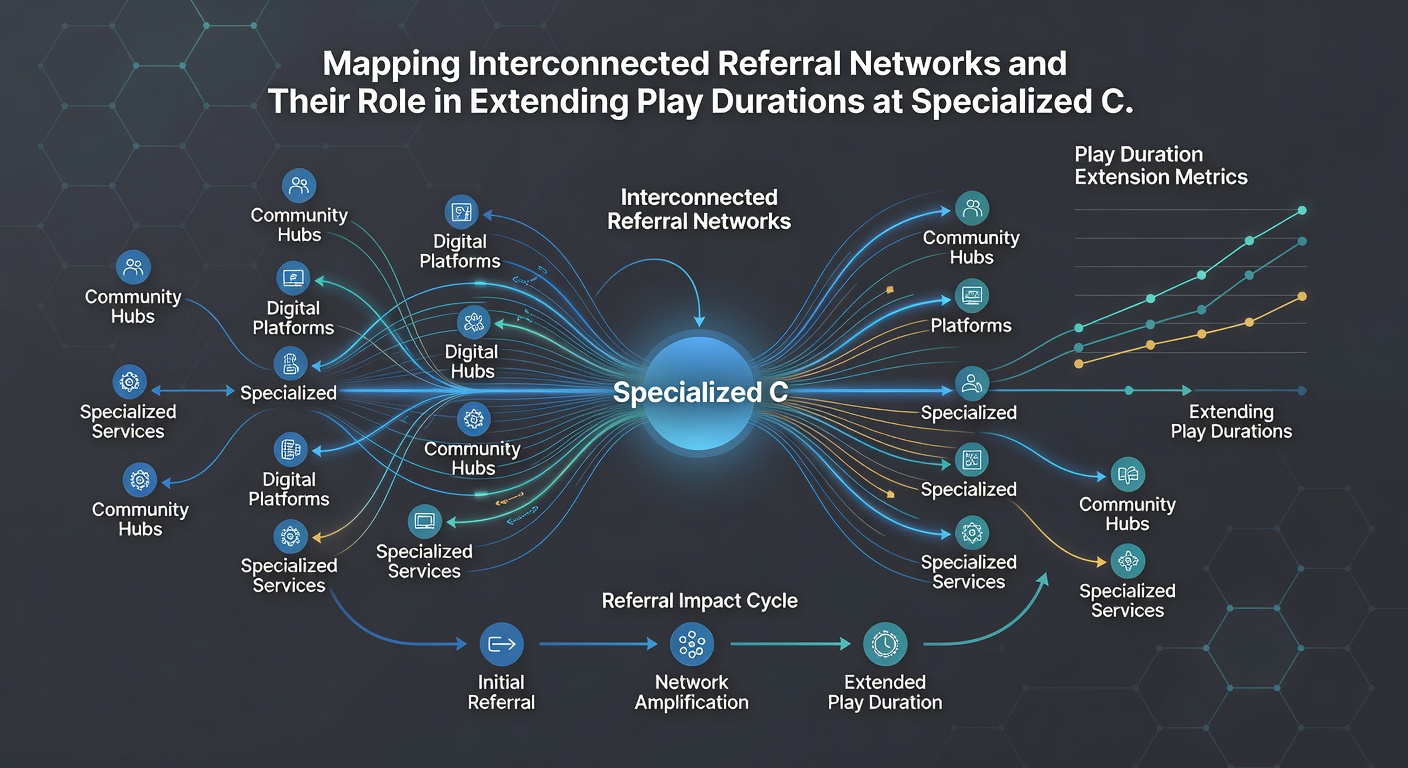
What's interesting is how chain length affects retention curves, with longer networks flattening the typical decline in activity after the first hour. Studies tracking June 2026 activity across specialized venues found that players in five-level referral structures maintained consistent bet volumes throughout sessions, whereas direct entrants tapered off sooner. Observers tracking these patterns emphasize that the mapping process itself helps operators refine algorithms that prioritize network stability over individual acquisition.
Regional Patterns in Referral-Driven Engagement
North American card platforms display referral networks that emphasize competitive leaderboards linked to chain performance, while Australian operators integrate time-based multipliers that reward collective session length. According to reports from the Australian Gambling Research Centre, interconnected referrals contributed to a documented rise in average session metrics during early 2026 monitoring. European venues meanwhile apply regulatory caps on referral depth, yet mapping still shows measurable extensions in play duration within permitted structures. Those analyzing cross-border data observe that platforms adapting mapping tools to local rules achieve more consistent retention across varying jurisdictions.
Data Sources Informing Network Analysis
Platform operators draw from aggregated user logs and transaction histories to build accurate referral maps without compromising individual privacy protocols. Research institutions have collaborated on studies that apply anonymized datasets to identify which network configurations produce the strongest duration effects. One project coordinated through Canadian regulatory channels highlighted how referral velocity, measured by new connections per week, predicts extended engagement windows at card-focused sites. These findings support operational decisions that allocate resources toward maintaining active chains rather than broad marketing pushes.
Future Developments in Referral Network Mapping
Emerging technologies such as blockchain-based tracking promise finer resolution in mapping referral interconnections across specialized card platforms. Developers are testing systems that update network visualizations in real time, allowing immediate adjustments to incentive structures when session patterns shift. Projections based on current trends suggest that by late 2026 more venues will integrate predictive models derived from these maps to preempt player exits. Evidence gathered so far indicates that refined mapping correlates with higher overall platform activity levels across multiple card game formats.
Conclusion
Referral networks on specialized card platforms function as interconnected systems that measurably extend play durations through layered incentives and sustained connections. Mapping these structures provides operators with actionable insights into session behavior, regional differences, and retention dynamics. Continued refinement of network analysis tools supports the evolution of card gaming environments where engagement patterns remain stable across diverse player bases.