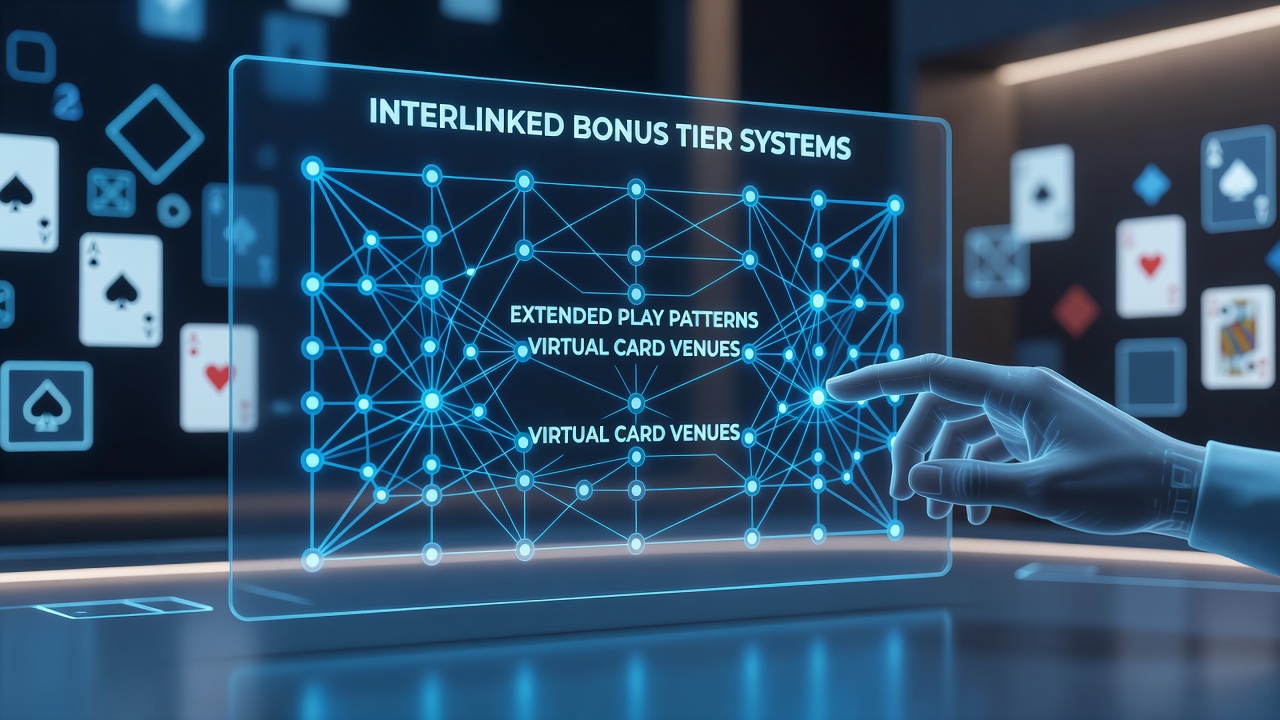
Interlinked Bonus Tier Systems and Their Influence on Play Duration in Virtual Card Settings
Virtual card venues have developed interlinked bonus tier systems that connect rewards across multiple sessions and game types, creating pathways that extend player engagement over time. These structures link initial deposits to progressive multipliers, referral incentives, and loyalty levels, which researchers track through session data collected in August 2026. Data from platform analytics shows that participants who advance through connected tiers maintain activity for longer periods compared to those using isolated promotions.
Structure of Interlinked Tiers
Operators design these systems so that bonuses earned in one card game feed into eligibility for higher rewards in related titles, often using algorithms that monitor deposit frequency and wager volumes. According to industry reports from the Australian Communications and Media Authority, such linkages increased average session lengths by measurable margins in monitored online environments during the first half of 2026. Players move from entry-level cashback offers to tiered match bonuses, where completion of one level automatically qualifies them for the next without separate activation steps.
Technical implementations rely on centralized player accounts that record progress across platforms, allowing seamless transitions between desktop and mobile interfaces. Figures released by the Ontario Lottery and Gaming Corporation reveal that venues employing these connected models saw repeat logins rise steadily through summer months, with card-focused sections contributing the largest share of extended activity.
Observed Effects on Session Patterns
Extended play emerges when thresholds for the next tier align with typical wagering habits in games like punto banco or similar variants. Studies compiled by the University of Nevada's gaming research division indicate that participants who reach mid-level tiers commit additional hours per week, driven by the visibility of upcoming rewards displayed in real time. This pattern holds across different regions, where data sets from European operators mirror trends noted in North American markets.
Referral Chains and Multiplier Integration
Interlinked systems often incorporate referral components that multiply existing tier benefits, turning single-player progress into network effects. One analysis of session metrics from Canadian provincial regulators found that users who activated referral bonuses alongside their primary tiers extended average play durations by connecting friends' activity to their own reward ladders. These connections create feedback loops where each new participant strengthens the original user's position in the hierarchy.
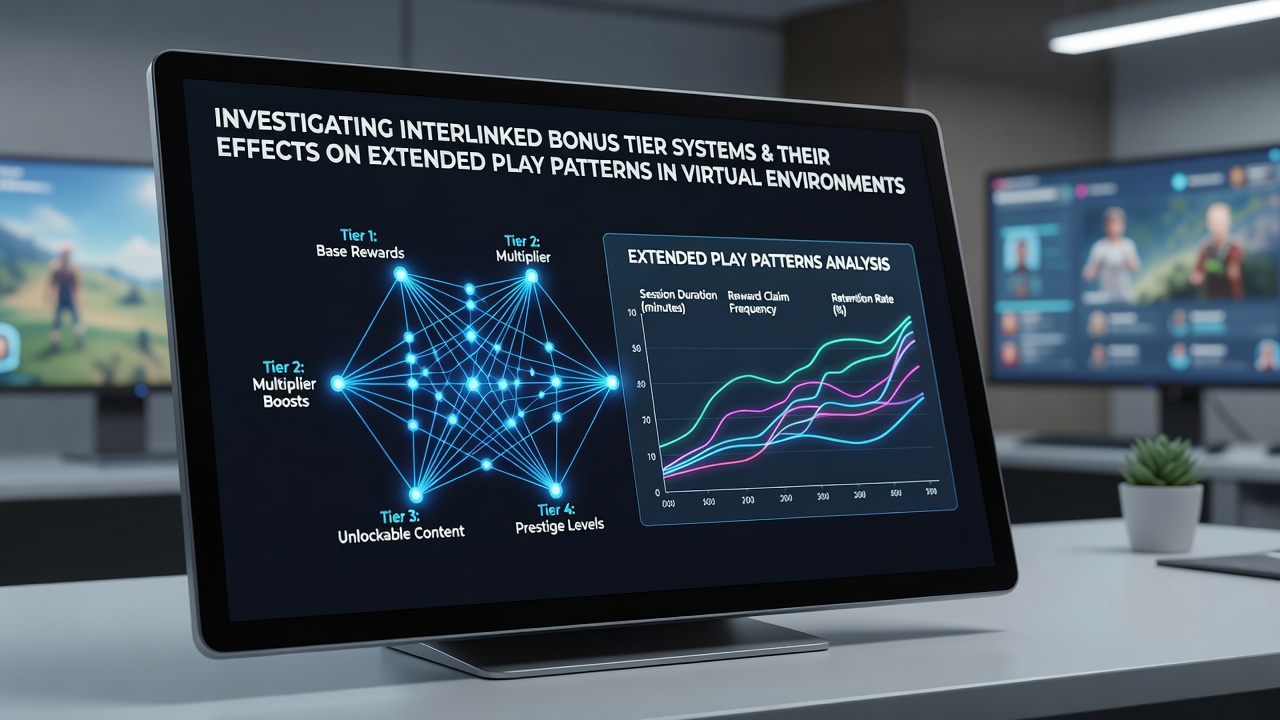
Notification systems tied to these tiers further influence timing, prompting returns at moments when multipliers become available. Platform logs examined in August 2026 demonstrated that players responding to such alerts completed more wagers before logging off, compared to those without tier progression cues. The result appears in aggregated retention statistics rather than individual accounts.
Regional Data Comparisons
Comparative reviews across jurisdictions highlight variations in how interlinked bonuses shape behavior. Reports from Singapore's Casino Regulatory Authority document higher continuity rates in venues that bundle card game rewards with loyalty points transferable across multiple titles. Similar patterns surface in Australian data, where cross-platform linkages between deposit thresholds and tier upgrades correlate with sustained engagement metrics tracked through the second quarter of 2026.
Those who've examined the underlying code note that the systems adjust dynamically based on aggregate player drop and hold percentages, ensuring that advancement remains attainable yet paced to encourage continued participation. Evidence from academic papers on digital gaming economies supports the observation that such pacing extends total play hours without requiring constant new deposits.
Conclusion
Interlinked bonus tier systems continue to shape how participants interact with virtual card venues, with data from multiple regulatory bodies confirming measurable impacts on session lengths. As operators refine these connections through ongoing platform updates, the patterns observed in August 2026 provide baseline figures for future tracking. External analyses from sources like the University of Nevada and the Ontario Lottery and Gaming Corporation offer ongoing reference points for understanding these dynamics across different markets.