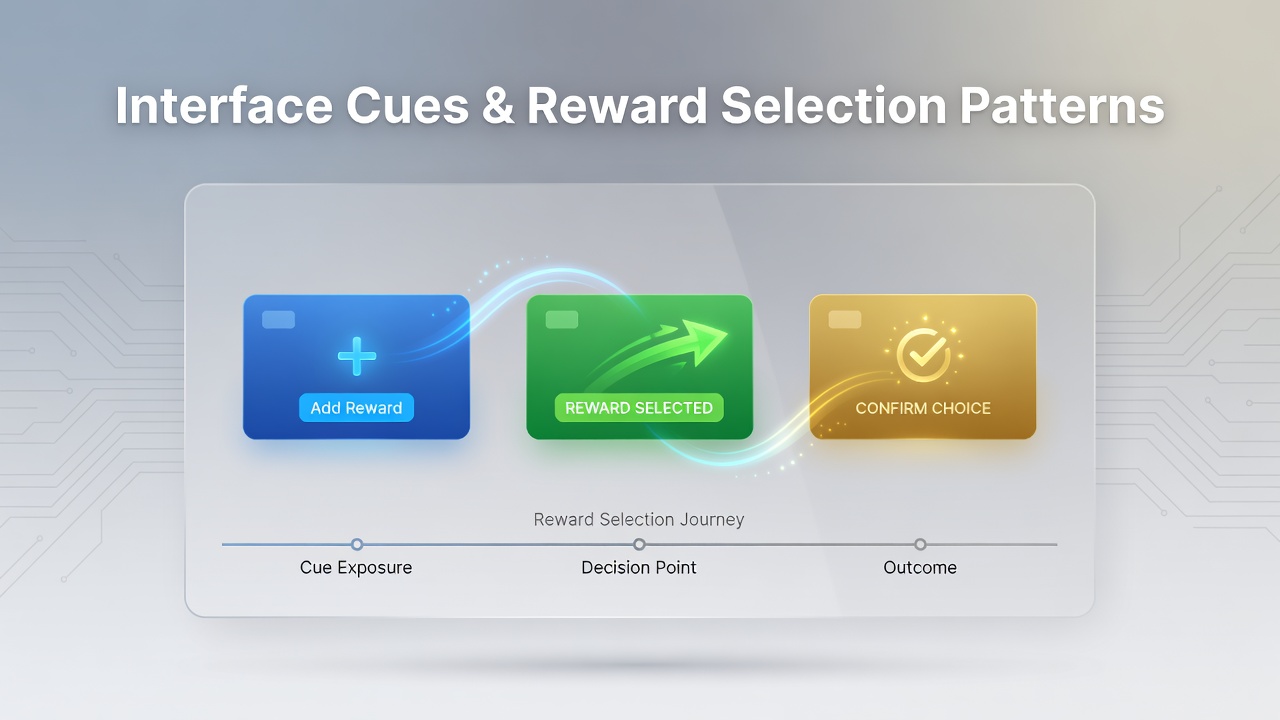
Interface Cues Shaping Reward Selection in Digital Card Platforms
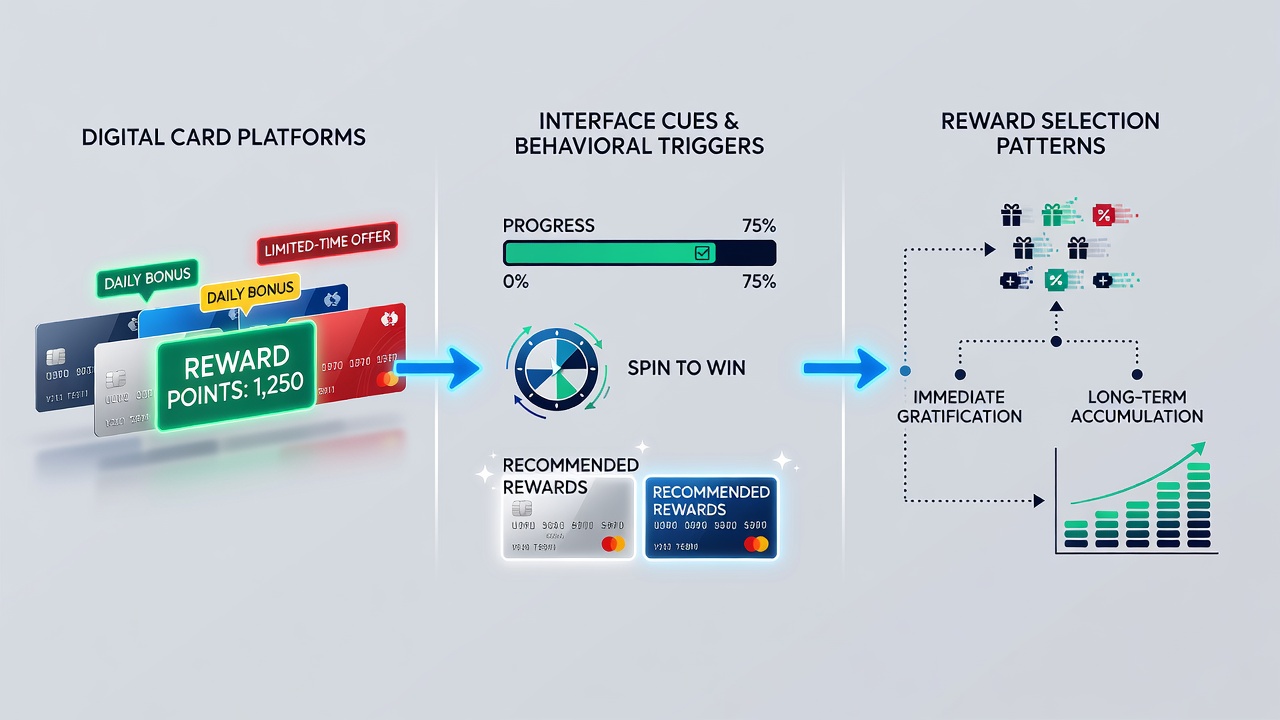
Digital card platforms use interface cues such as button placement, color contrasts, and progress indicators to guide how users choose rewards during sessions. These elements appear consistently across poker, baccarat, and similar virtual card environments where players interact with loyalty points, deposit matches, and bonus structures. Research from academic institutions shows that visual hierarchy and notification timing correlate with measurable shifts in selection rates.
Core Components of Interface Cues
Interface cues consist of static and dynamic features that platforms embed directly into user flows. Static cues include icon sizes, reward tier badges, and menu layouts that remain fixed while dynamic cues update in real time based on session data. Observers note that platforms adjust these elements to align with player drop metrics and hold percentages recorded in operational reports.
Color saturation often highlights higher-value rewards while muted tones de-emphasize lower-tier options, and researchers have tracked how these choices influence click-through patterns. Button proximity to the main game window further directs attention, since studies indicate users select options located within the central viewing area more frequently than those placed in peripheral menus.
Notification Timing and Reward Pathways
Push notifications and in-app prompts function as timing-based cues that platforms deploy at specific deposit thresholds or after completed hands. Data collected from multiple operators reveals that prompts delivered immediately after a win correlate with increased selection of reload rewards rather than cash-out options. June 2026 platform analytics showed elevated engagement when notifications referenced accumulated points visible on the current screen.
Session duration metrics demonstrate that staggered notification delivery extends play intervals compared with immediate or delayed batches. Platforms integrate these patterns with referral chain data to extend user retention across linked accounts.
Evidence from Platform Studies
A report issued by the University of Nevada's International Gaming Institute examined selection patterns across twenty digital card environments and found that progress bars displaying remaining wagering requirements increased completion rates for bonus cycles by measurable margins. The same analysis linked match ratio displays to higher preference for specific game variants when those ratios appeared adjacent to table selection screens.
Additional findings from the Victorian Responsible Gambling Foundation tracked user interactions in Australian-licensed card platforms and documented that simplified reward menus reduced abandonment during the selection process. Figures revealed consistent movement toward options that required fewer confirmation steps once initial cues had directed attention.
Cross-Platform Comparisons
Desktop interfaces typically present reward grids in horizontal layouts while mobile versions stack options vertically beneath the active game window. These layout differences produce distinct selection sequences, according to comparative logs shared among operators. Platforms that synchronize cue placement between versions report more uniform reward uptake across device types.
Referral networks amplify cue effectiveness when shared links carry pre-loaded visual indicators of available bonuses. Operators have observed longer session extensions when users arrive through these pathways because the interface retains the originating prompt structure.
Conclusion
Interface cues operate as structural guides that platforms refine through ongoing analysis of player behavior logs. Current implementations rely on established correlations between visual placement, notification cadence, and reward uptake rates documented in industry and academic sources. Continued monitoring of these elements supports adjustments that align with evolving session metrics across digital card environments.