How Population Changes Are Reshaping Bonus Distribution Strategies Across Global Virtual Card Platforms
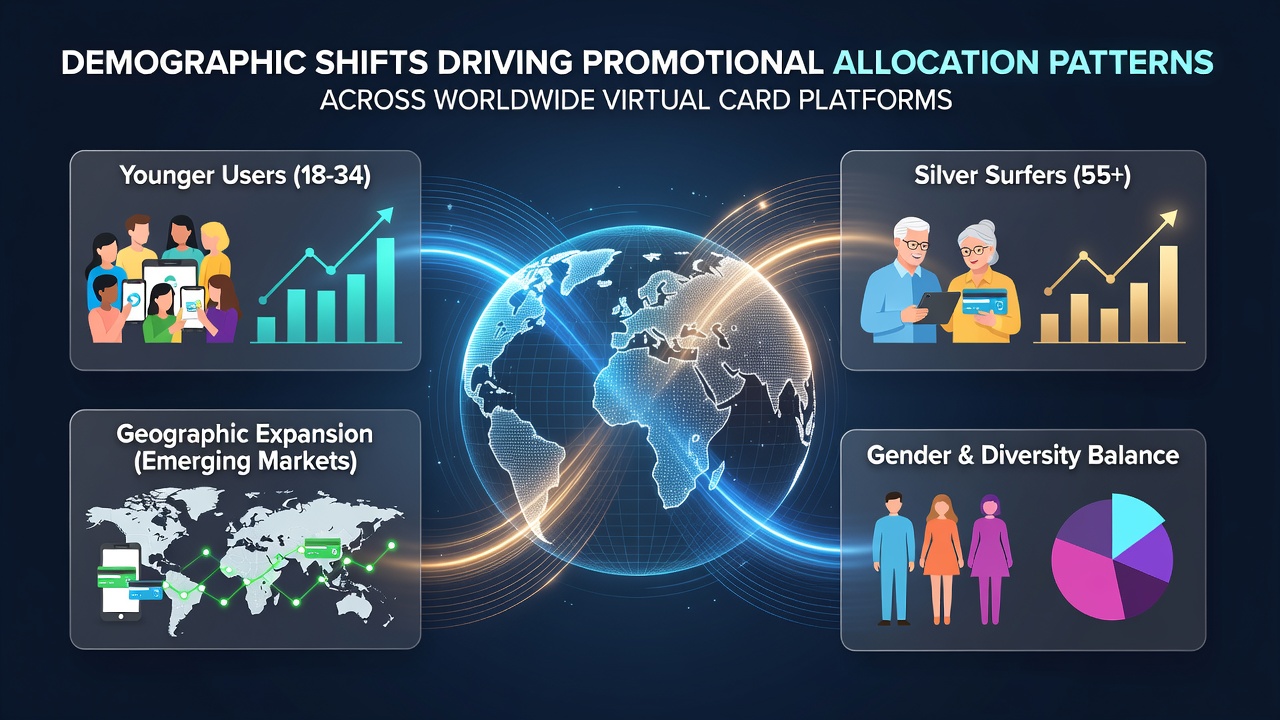
Population trends have started to influence how operators allocate promotional resources on virtual card platforms worldwide, with data from mid-2026 highlighting adjustments in targeting based on age, location, and income levels. Researchers tracking online gaming patterns note that younger cohorts in emerging markets are driving increased focus on mobile-first incentives, while established player bases in mature regions receive more tailored retention offers. Figures released in July 2026 by industry analysts showed a 12 percent rise in promotional spend directed toward users aged 25 to 34 in Asia-Pacific markets compared with the previous year.
Regional Population Dynamics and Platform Adjustments
Shifts in player geography have prompted platforms to recalibrate their promotional frameworks, particularly as user growth accelerates in Southeast Asia and Latin America. Data indicates that operators have expanded bonus structures emphasizing deposit matches and referral programs in these areas, aligning with higher proportions of first-time digital card players. In contrast, European markets have seen refinements in loyalty tiers that prioritize session extensions among older demographics already familiar with punto banco formats. Government statistics from Australia's Department of Infrastructure, Transport, Regional Development, Communications and the Arts reveal that online gaming participation among 18-to-24-year-olds grew by 8 percent between 2024 and 2026, prompting several platforms to test localized reward timing.
North American operators have responded to similar trends by reallocating resources toward cross-border users, where demographic data shows rising interest from mobile-dominant populations. Studies conducted by academic teams at the University of Toronto's Gaming Research Unit found that promotional match ratios increased by 15 percent for users in urban Canadian centers during the first half of 2026, correlating with higher smartphone penetration rates.
Age-Based Targeting in Promotional Design
Age distributions continue to shape the types of incentives deployed across card-focused environments, with platforms tracking behavioral differences between generational groups. Younger players tend to engage more with time-limited flash bonuses and social sharing rewards, whereas mid-career users respond to structured wagering multiplier programs. Research published by the European Gaming and Betting Association in early 2026 documented that platforms adjusted 22 percent of their promotional portfolios to accommodate these variances, emphasizing flexible redemption windows for users under 30.
Older player segments, concentrated in traditional markets, have influenced the development of longer-duration loyalty sequences that reward consistent table selection. Observers note that these adjustments reflect measurable differences in session length and game preference data collected through platform analytics.
Income Levels and Resource Allocation Patterns
Income demographics have also guided how virtual card platforms distribute promotional value, with higher-earning cohorts often receiving personalized high-value offers tied to deposit thresholds. Lower-to-middle income groups see more frequent smaller-scale incentives designed to sustain shorter play intervals. Reports from Canada's provincial gaming authorities indicate that platforms serving diverse income brackets modified allocation ratios by an average of 18 percent in the second quarter of 2026, aligning offers with verified spending behaviors.
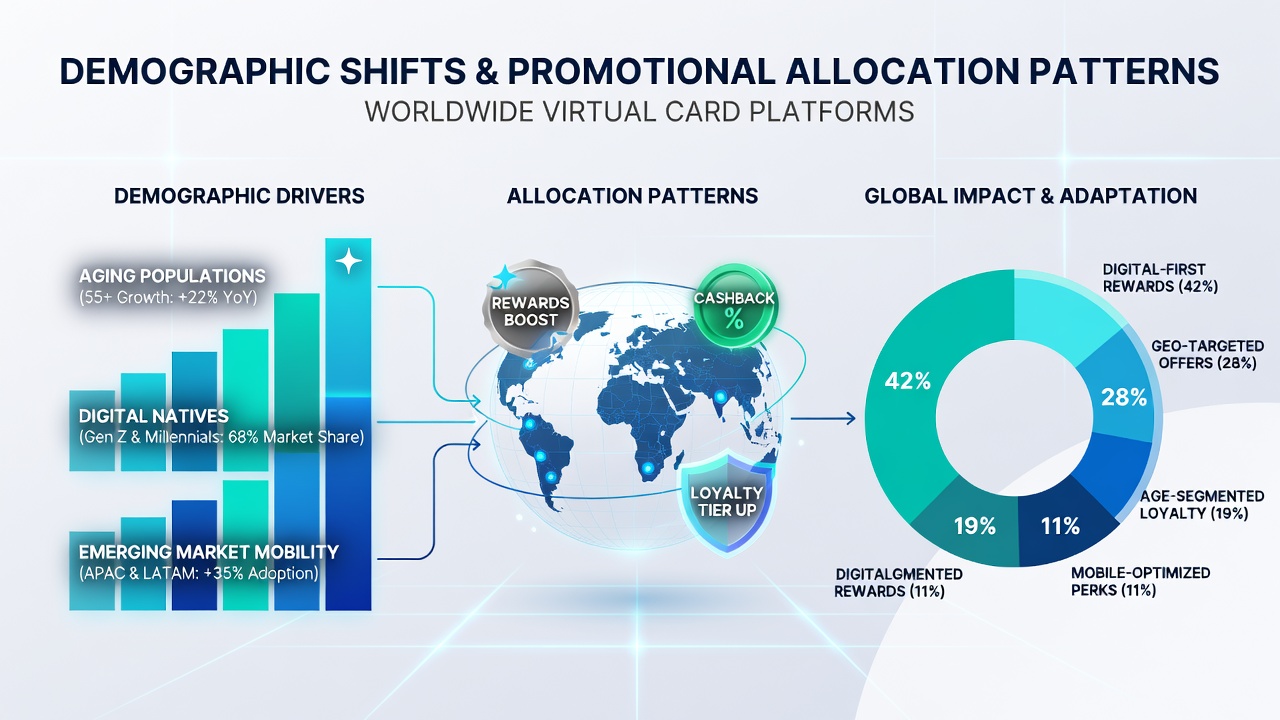
These patterns emerge from aggregated transaction data that platforms use to forecast engagement levels. Experts tracking these metrics have observed that income-correlated promotions help maintain balanced player retention across varying economic conditions without altering overall platform economics.
Technology Adoption and Demographic Overlaps
Device preferences intersect with demographic factors to further influence promotional delivery methods, as mobile usage dominates among younger and emerging-market users. Platforms have introduced notification-based reward systems that trigger during peak activity windows identified through user location data. A collaborative study involving researchers from multiple universities across the Asia-Pacific region documented that 67 percent of new virtual card accounts created in the first half of 2026 originated from mobile devices, leading operators to prioritize push-notification campaigns in those regions.
Desktop-heavy segments in established markets continue to receive email and account-dashboard promotions that emphasize cumulative reward tracking. Such segmentation allows platforms to match delivery channels with observed user habits while maintaining consistent incentive structures across card games.
Conclusion
Demographic data continues to inform how worldwide virtual card platforms structure and distribute promotions, with measurable adjustments appearing across regions, age brackets, and income profiles throughout 2026. Reports from regulatory and academic sources demonstrate that these shifts support targeted engagement without deviating from established operational frameworks. As population patterns evolve, platforms maintain ongoing analysis of user metrics to refine allocation approaches in line with observable trends.