
How Dynamic Visual Elements Shape Multi-Tiered Loyalty Programs in Online Card Gaming Spaces
Digital card platforms continue to integrate motion-based feedback with structured reward systems, and observers note that these elements guide session behaviors among regular participants in virtual table environments. Data from industry tracking services shows that animations such as card reveals, chip movements, and progress indicators align with tier advancement mechanics to maintain engagement levels across extended play periods. Research indicates that players who advance through multiple reward tiers encounter increasingly elaborate visual sequences that mark each threshold crossed.
Platform developers have refined these systems over recent years, and figures from July 2026 reveal sustained growth in user retention metrics at sites offering layered bonus structures. Those who study player interaction patterns point out that smooth transitions between animation states help signal reward eligibility without requiring separate notifications. This approach connects visual design choices directly to the mechanics of tier progression in environments focused on games like baccarat and similar table offerings.
Animation Mechanics and Player Progression Signals
Interface designers employ layered animation triggers that activate at specific reward milestones, while dedicated enthusiasts observe how these cues reinforce continued participation. According to reports compiled by the Nevada Gaming Control Board, platforms with synchronized visual effects report higher average session durations among users who reach mid-level tiers. These effects include particle bursts during wins, escalating glow intensities on loyalty meters, and sequential card flip sequences that correspond to bonus multiplier unlocks.
Analysts tracking virtual card environments note that players respond to these motion cues by adjusting bet sizes to test new visual outcomes, and this behavior correlates with movement through reward pathways. The systems often embed conditional animations that only display after certain wagering thresholds are met, creating a feedback loop where visual novelty accompanies each tier elevation. Evidence from platform usage logs demonstrates that such integrations reduce drop-off rates at lower tiers while encouraging exploration of higher reward brackets.
Tier Structures and Visual Differentiation Across Platforms
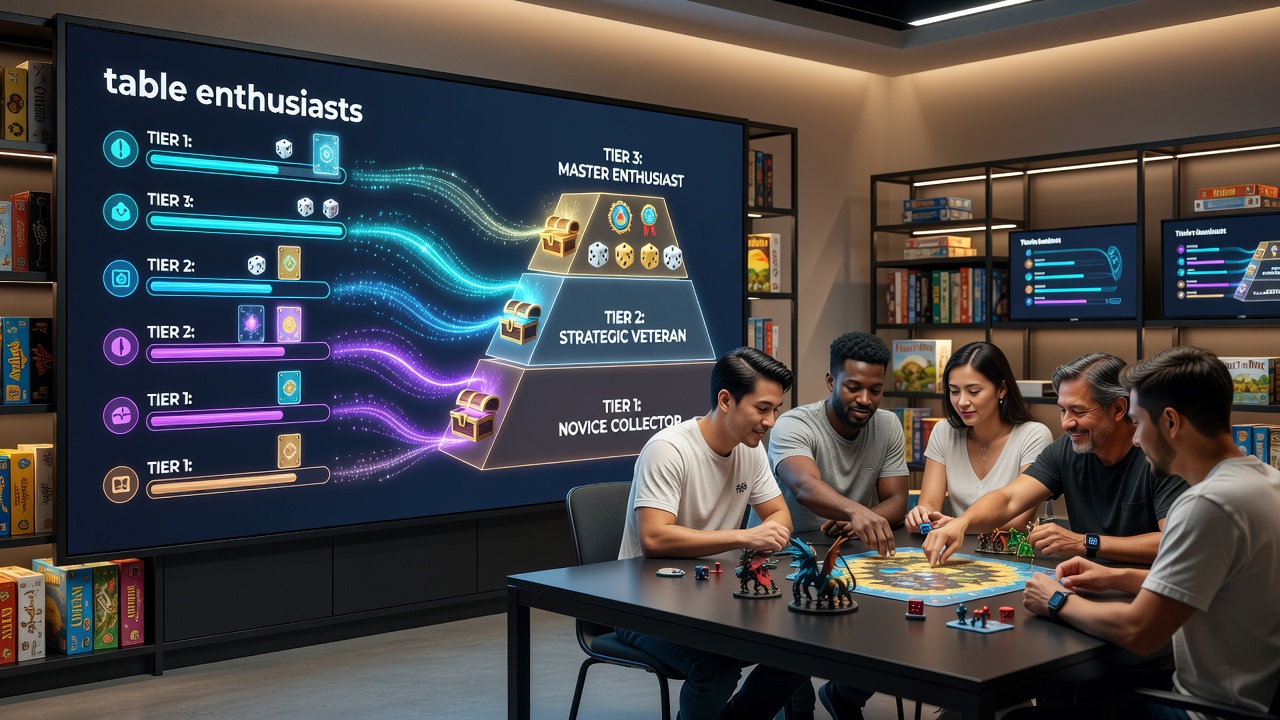
Multi-level loyalty frameworks typically divide participants into categories ranging from entry-level access to elite status, and data shows that animations scale in complexity with each advancement. Lower tiers feature basic win celebrations and simple meter fills, whereas higher tiers incorporate full-screen sequences, custom avatar reactions, and interactive elements that respond to player input. Those monitoring online gaming trends have documented how these visual escalations align with increased reward values such as cashback percentages and exclusive table access.
One study released in mid-2026 by the University of Nevada's gaming research division highlighted correlations between animation frequency and tier retention rates across multiple virtual card sites. Participants who encountered varied motion patterns during reward claims maintained longer account activity compared to those on platforms with static interfaces. This pattern holds particularly true in environments where reward pathways include both deposit-based and activity-based advancement criteria.
Cross-Platform Patterns and Regional Implementation Differences
European operators licensed under frameworks from the Malta Gaming Authority have adopted similar animation-reward pairings, though implementation varies by regulatory emphasis on transparency. Data indicates that platforms serving North American markets integrate more aggressive visual escalations tied to tiered deposit bonuses, while Asian-focused sites emphasize subtle motion cues during live dealer sessions. Observers note that these regional distinctions influence how dedicated table enthusiasts navigate reward pathways depending on their primary access points.
Industry associations such as the European Gaming and Betting Association have compiled statistics showing that animation-enhanced reward displays contribute to measurable increases in cross-session returns during the first half of 2026. Users who engage with progressive visual systems tend to complete tier requirements at higher rates than those exposed to minimal motion feedback. The interplay becomes most evident when platforms update their interfaces, as changes to animation timing often coincide with adjustments to reward thresholds.
Technical Integration and Behavioral Data Correlations
Backend systems link animation triggers to real-time player metrics including wager volume and session frequency, and this connection allows platforms to personalize reward pathway visuals. Research from academic sources tracking digital gaming behaviors suggests that customized motion sequences can extend playtime among users already committed to higher tiers. Developers achieve this through modular animation libraries that pull data directly from loyalty databases without disrupting core game flow.
Those examining virtual card environments report that July 2026 updates across several major platforms refined how tier notifications appear alongside ongoing table action. These refinements include delayed reveal animations that build anticipation before displaying new reward status, and the approach aligns with observed preferences among long-term participants. Metrics collected during this period indicate stable growth in tier advancement completion rates following such technical adjustments.
Conclusion
The documented connections between interface animations and tiered reward structures continue to shape participation patterns in virtual card settings. Platform data combined with regulatory reports and academic analyses demonstrate measurable relationships between visual feedback mechanisms and player movement through loyalty levels. As systems evolve, the integration of motion design with reward pathways remains a central element in how dedicated enthusiasts interact with online table environments.