
Digital Traces Guiding Baccarat Incentives: The Role of Session Analytics in Reward Allocation
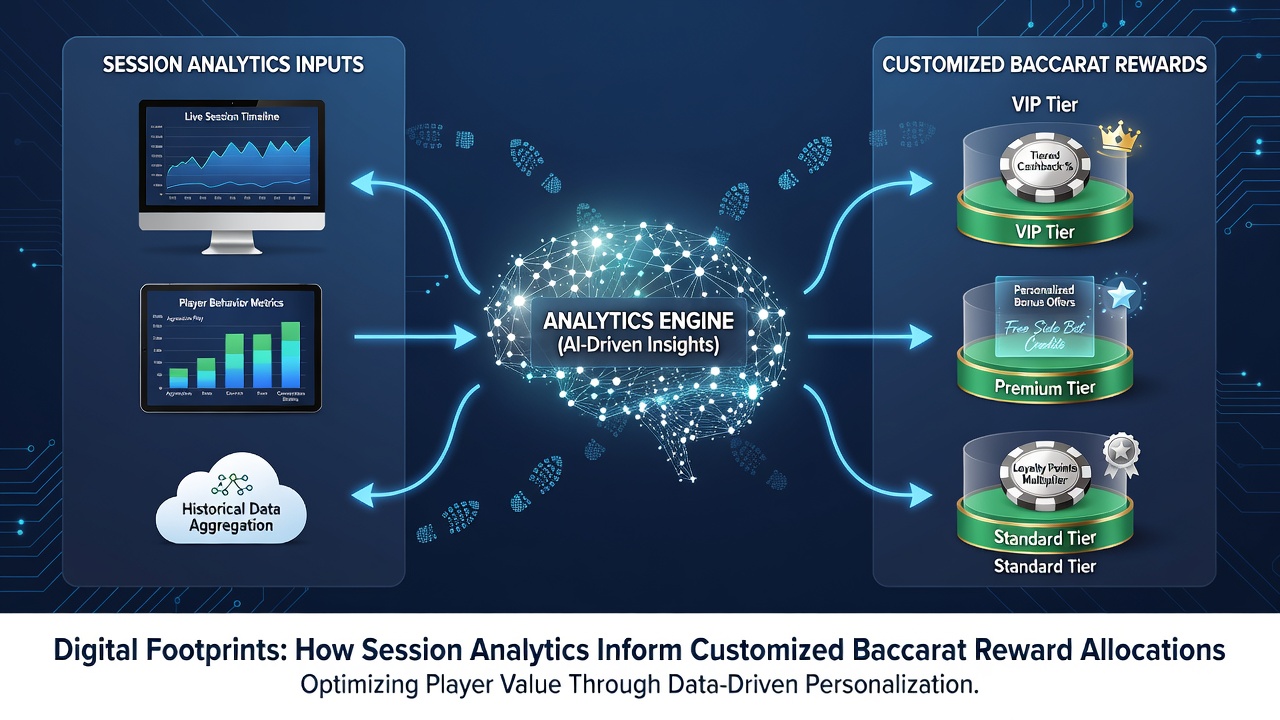
Online baccarat platforms collect extensive data from each player interaction, creating digital footprints that operators analyze to adjust reward structures. Session analytics track elements such as duration of play, average bet sizes, frequency of wagers, and patterns in wins or losses; these metrics feed directly into systems that determine customized allocations like deposit matches, cashback percentages, and loyalty points.
Core Components of Session Data Collection
Operators log timestamps for every hand dealt along with player decisions on draws or stands, while also recording device types and connection durations. Data indicates that platforms integrate these inputs with historical profiles to identify segments such as high-frequency evening players or those who favor side bets. In July 2026, industry figures revealed that over 70 percent of virtual punto banco sites updated their analytics engines to include real-time volatility scoring, allowing finer adjustments to reward tiers based on individual session outcomes.
Algorithms process this information through clustering methods that group similar behaviors; for instance, a player completing 150 hands in under two hours with escalating stakes might trigger elevated bonus eligibility. Researchers at academic institutions have documented how these models draw from game theory principles to predict retention likelihood, thereby informing the scale of incentives offered during or after the session.
Customization Mechanisms in Reward Systems
Reward engines apply thresholds derived from session analytics, such as minimum hands played or total wagered volume, to unlock personalized offers. A user exhibiting consistent play over multiple short sessions may receive staggered cashback rates that increase with each verified hour, whereas sporadic high-stakes participants often see one-time deposit boosts calibrated to their average bet level. Observers note that these allocations rely on predictive scoring rather than static rules, which enables operators to allocate marketing budgets more precisely across user cohorts.
Cross-referencing occurs with external factors including time of day and concurrent promotions, so a session starting during peak hours might yield different multipliers than one logged late at night. Data from regulatory filings in Ontario shows platforms must maintain audit trails for these calculations to ensure compliance with fairness standards, particularly when rewards influence game selection or deposit timing.
Integration with Broader Platform Operations
Session analytics extend beyond isolated rewards to influence overall site navigation and notification timing. Systems monitor drop-off points during extended losing streaks and automatically surface tailored incentives to re-engage users before they exit. Reports from the Australian Communications and Media Authority highlight that such interventions have correlated with measurable extensions in average session length across card-focused virtual venues during the first half of 2026.
Linkages between referral networks and individual footprints allow operators to trace how new players introduced through affiliate channels perform relative to organic traffic. This comparison informs whether customized rewards should emphasize deposit bonuses or free-play credits to optimize conversion rates within each acquisition stream.
Regulatory and Technical Considerations
Compliance frameworks require transparency in how analytics drive reward decisions, prompting many jurisdictions to mandate disclosure of data usage policies. Platforms incorporate encryption protocols to secure session logs while still permitting aggregated analysis for reward modeling. Studies published by university research groups indicate that transparent application of these analytics tends to maintain player trust levels even as personalization intensifies.
Technical infrastructure relies on machine learning pipelines that retrain periodically on fresh session batches, incorporating updates from events like the revenue shifts observed in major markets during July 2026. These updates refine the precision of reward triggers without altering underlying game mathematics.
Conclusion
Digital footprints generated through baccarat sessions provide the raw material for analytics that shape reward customization at scale. By processing metrics on play patterns, duration, and behavioral clusters, platforms allocate incentives in ways that align with observed user activity. Continued refinement of these systems, supported by regulatory oversight and technical advancements, sustains the connection between session data and personalized reward structures across virtual gaming environments.