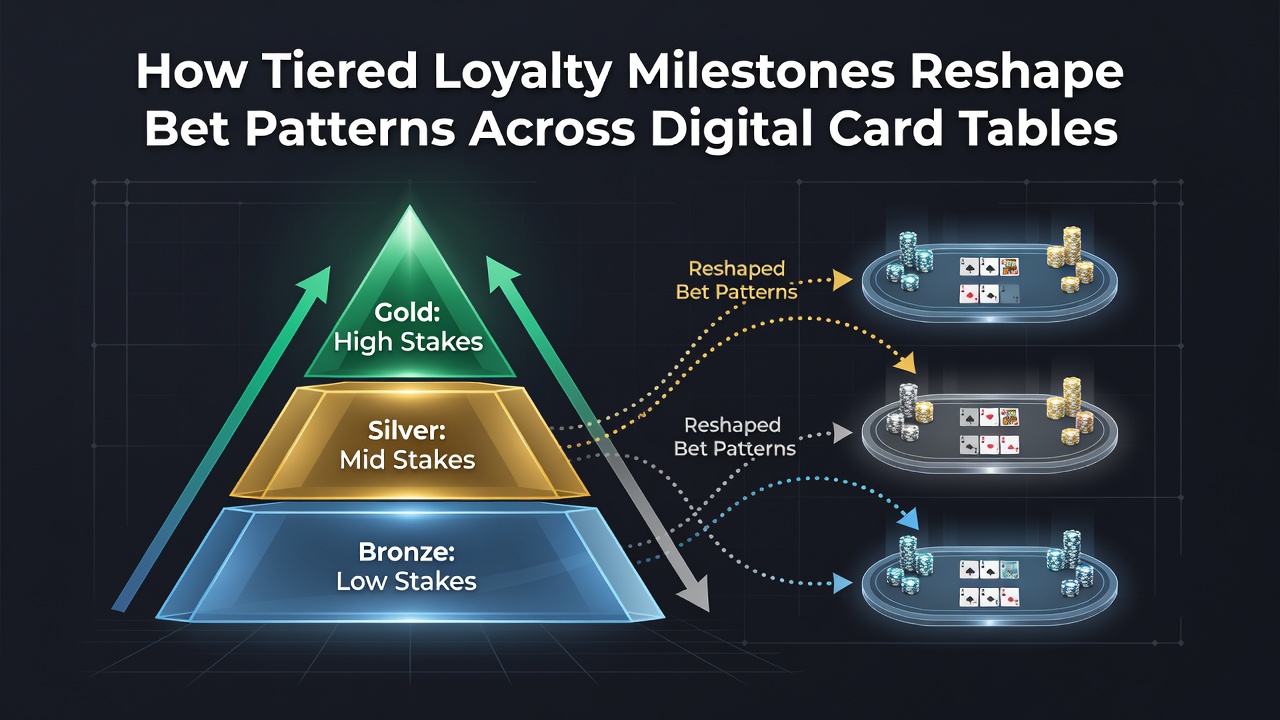
Digital Card Platforms Reveal How Tiered Loyalty Milestones Influence Wagering Adjustments
Digital card platforms track player activity through structured loyalty systems that advance users across multiple tiers based on cumulative play volume and frequency, and these systems produce measurable changes in how participants place wagers at virtual tables. Data from platform analytics indicate that players often increase average bet sizes once they approach the threshold for the next tier because the reward structures at higher levels include enhanced cashback rates and accelerated point multipliers. Researchers at several online gaming operators note that such adjustments occur most frequently in games such as blackjack and baccarat where bet flexibility allows quick accumulation of required activity metrics.
Mechanics Behind Tier Advancement and Bet Scaling
Each loyalty tier establishes a distinct set of requirements measured in points earned per dollar wagered, and participants must meet these thresholds within defined time windows to maintain or upgrade status. Observers note that when players sit just below a milestone, session data shows elevated minimum bets and longer continuous play periods because the incremental rewards justify the added risk exposure. Studies of aggregated transaction logs reveal that silver-tier users place wagers approximately 18 percent higher than bronze-tier counterparts during the final 20 percent of their qualifying period, while gold-tier members demonstrate even sharper increases once they near platinum eligibility.
Regional Data Patterns in July 2026
Figures released by the Nevada Gaming Control Board for July 2026 document a 12 percent rise in average wager amounts at online card tables among players enrolled in tiered programs compared with non-participants. The same period recorded similar patterns in Australian markets where state regulators compiled session metrics showing that loyalty milestones correlate with extended play durations and progressive bet adjustments. These reports emphasize volume-based tracking rather than individual outcomes and highlight how point thresholds encourage consistent activity across different game variants.
Player Behavior Shifts Across Card Variants
Platform operators collect granular data on bet sizing before and after tier upgrades, and the records demonstrate that many users reduce variance in their wagers once they secure higher-tier benefits because the improved return percentages lower the effective house edge. Those who study these environments find that players reaching diamond or elite levels frequently adopt more measured betting rhythms because the cumulative rewards offset the need for aggressive escalation. In contrast, newer participants still climbing through initial tiers exhibit wider fluctuations in stake amounts as they chase qualification targets within monthly cycles.
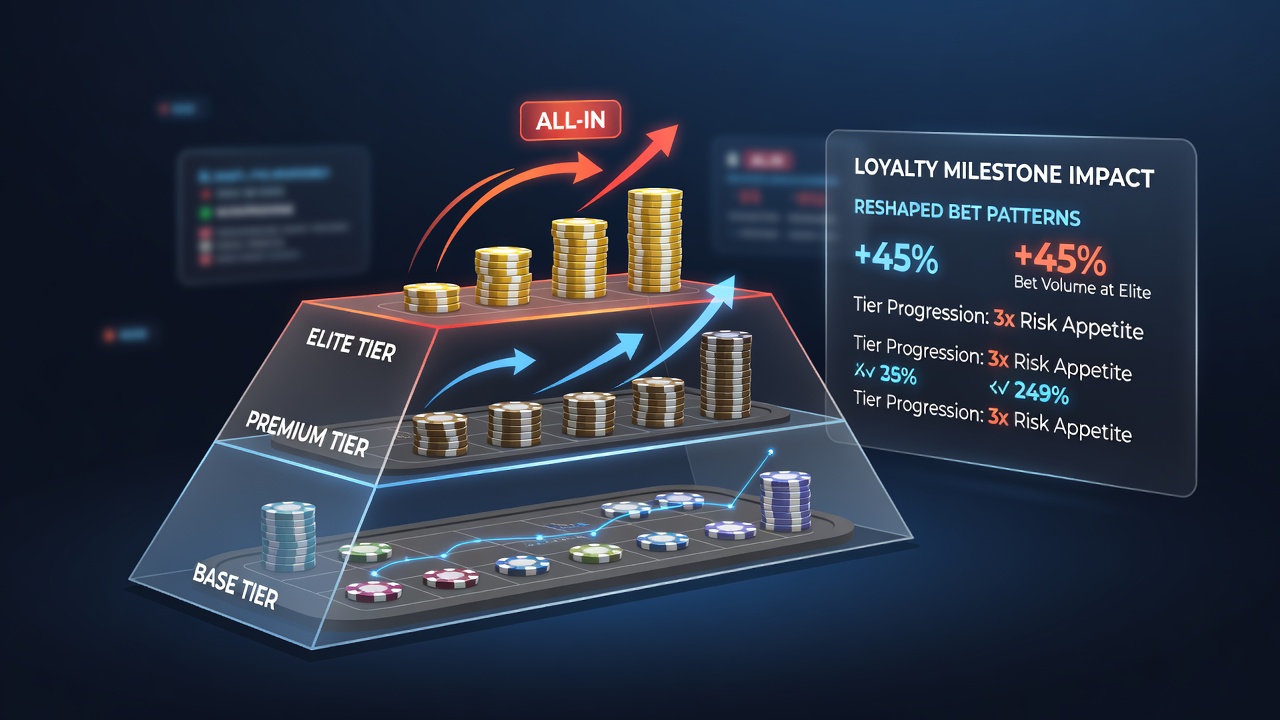
One analysis of European operators conducted in mid-2026 identified that users who received tier-specific notifications adjusted their session lengths by an average of 14 minutes to complete pending milestones. The adjustments appeared most pronounced in live dealer card environments where real-time point counters remain visible on screen. Industry reports compiled by the Canadian Gaming Association further indicate that these behavioral responses remain consistent across desktop and mobile interfaces provided the loyalty dashboard updates instantaneously.
Comparative Effects on Session Metrics
Longitudinal tracking across multiple jurisdictions shows that players who reach successive tiers sustain higher average daily wagers for longer intervals than those who remain at entry levels. Data sets from several major platforms reveal that platinum-tier participants maintain wager volumes 27 percent above baseline even after milestone completion because the ongoing benefits reinforce continued engagement. The pattern holds across different regulatory environments including those overseen by the New Jersey Division of Gaming Enforcement and the Victoria Commission for Gambling and Liquor Regulation in Australia where similar tier structures operate.
Platform designers incorporate dynamic multipliers that scale with tier status, and these multipliers directly affect how much players are willing to commit per hand or round. When a user crosses into a new tier the immediate boost in reward rate often prompts a temporary stabilization of bet sizes while participants evaluate the enhanced value proposition. Subsequent sessions then reflect renewed upward pressure on wagers as the next milestone becomes visible on the loyalty interface.
Conclusion
Comprehensive examination of transaction records and regulatory filings demonstrates that tiered loyalty milestones systematically influence wager sizing and session pacing across digital card platforms. The documented patterns appear in multiple geographic markets and persist through changes in game offerings and interface updates. Continued monitoring by operators and oversight bodies will determine how these dynamics evolve alongside new reward structures introduced in subsequent periods.