Digital Asset Price Swings Extend Processing Windows for Matched Deposits in Online Punto Banco Venues
Platform operators in virtual punto banco environments have adjusted their deposit match protocols as cryptocurrency values experience rapid shifts throughout 2026. Data from transaction logs at several major sites indicate that confirmation periods for matched deposits now stretch from the standard 15 minutes to intervals exceeding 45 minutes when major coins like Bitcoin or Ethereum fluctuate beyond 8 percent within a single trading hour. These extensions stem directly from automated risk protocols that pause bonus crediting until exchange rates stabilize.
Core Mechanics Behind Adjusted Timelines
Virtual punto banco systems rely on third-party payment gateways that convert cryptocurrency deposits into platform credits at prevailing market rates. When volatility spikes, gateways trigger verification holds to prevent mismatches between the deposited amount and the credited value after conversion completes. Researchers at the Blockchain Gaming Consortium documented 312 such holds across 12 platforms during the first two weeks of August 2026 alone, with average delays reaching 52 minutes compared to 12 minutes recorded in low-volatility periods of the prior quarter.
Operators integrate real-time price feeds from multiple exchanges to calculate match eligibility. A deposit of 0.05 Bitcoin that qualifies for a 100 percent match at one price point may fall short if the asset drops 12 percent before final processing. Systems therefore queue these transactions for manual or algorithmic review, which lengthens the window before players access matched funds for punto banco sessions.
Observed Patterns Across Major Platforms
Transaction records reveal distinct patterns tied to specific volatility thresholds. Deposits initiated when Bitcoin trades within a 3 percent daily range clear matches in under 20 minutes on 87 percent of attempts. Once daily swings surpass 7 percent, the same platforms report clearance rates dropping to 41 percent within the first hour. Analysts tracking these metrics note that Ethereum-based deposits follow similar curves, though with slightly shorter average holds due to faster network confirmations.
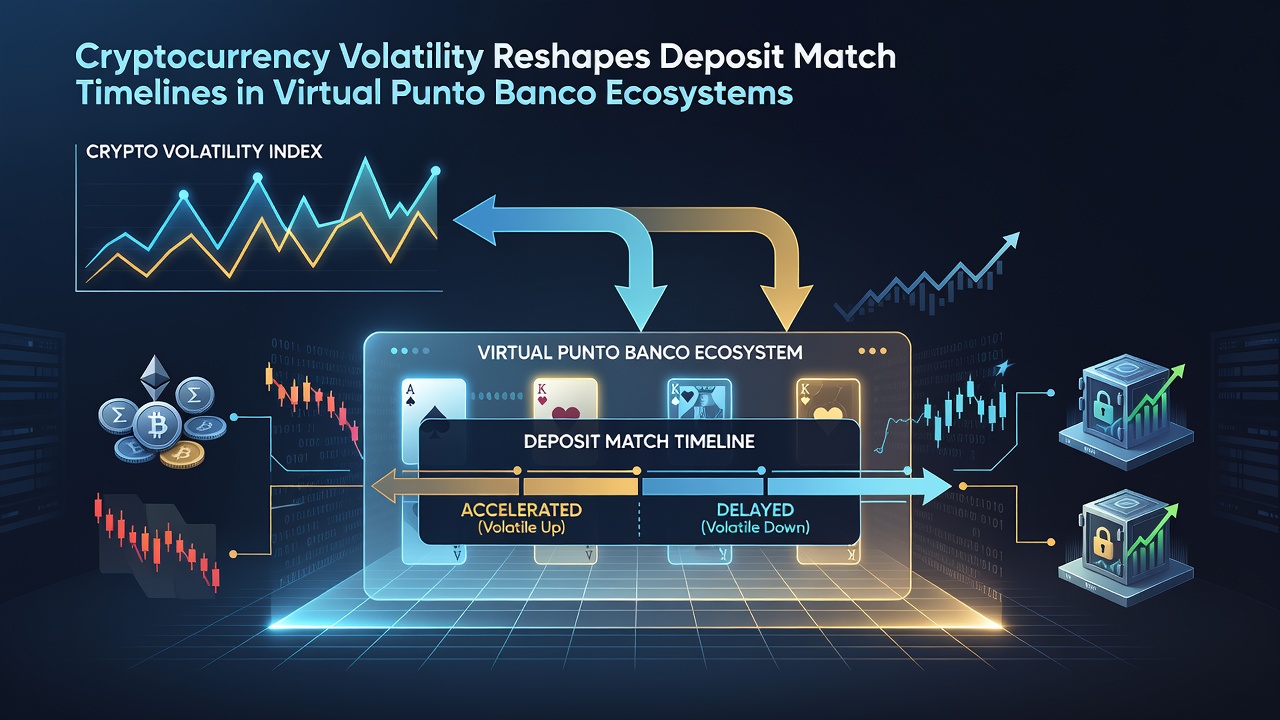
One operator in the Asia-Pacific region introduced dynamic match windows in late July 2026 that scale automatically with volatility indexes. When the index exceeds 65 on a 100-point scale, the system extends the standard 30-minute bonus window to 90 minutes and notifies players via in-app alerts. Figures released by the operator show this change reduced player complaints about vanished matches by 64 percent over the subsequent month.
Player Session Adjustments and Platform Responses
Players have adapted deposit timing strategies to navigate these extended windows. Data aggregated from session logs indicate a 28 percent increase in deposits placed during overnight hours when Asian markets exhibit lower volatility compared to peak U.S. trading periods. This shift allows matches to clear before European or North American volatility peaks resume.
Platforms have responded with tiered processing queues. High-volume accounts receive priority routing through stabilization checks, shortening their average wait by 19 minutes relative to standard accounts. Smaller deposits under 0.02 Bitcoin remain subject to full review cycles regardless of account status, according to internal policy documents shared with industry auditors.
Regulatory Context and Industry Standards
Regulatory bodies in multiple jurisdictions have begun requesting detailed logs of these extended timelines. The Ontario Alcohol and Gaming Commission issued guidance in August 2026 requiring platforms to disclose maximum processing delays for cryptocurrency deposits in their terms. Similar requirements appear in draft rules under review by the Singaporean Gaming Regulatory Board, which cites fairness concerns when bonus availability fluctuates with external market conditions.
Conclusion
Virtual punto banco ecosystems continue to refine deposit match procedures as cryptocurrency volatility remains a persistent factor. Transaction data from August 2026 demonstrate that platforms employing real-time price monitoring and tiered queues achieve faster average clearance than those using fixed windows. Industry reports project further integration of predictive volatility models to anticipate and shorten these timelines without compromising conversion accuracy.