Decoding Reward Propagation Patterns in Networked Multiplayer Card Environments
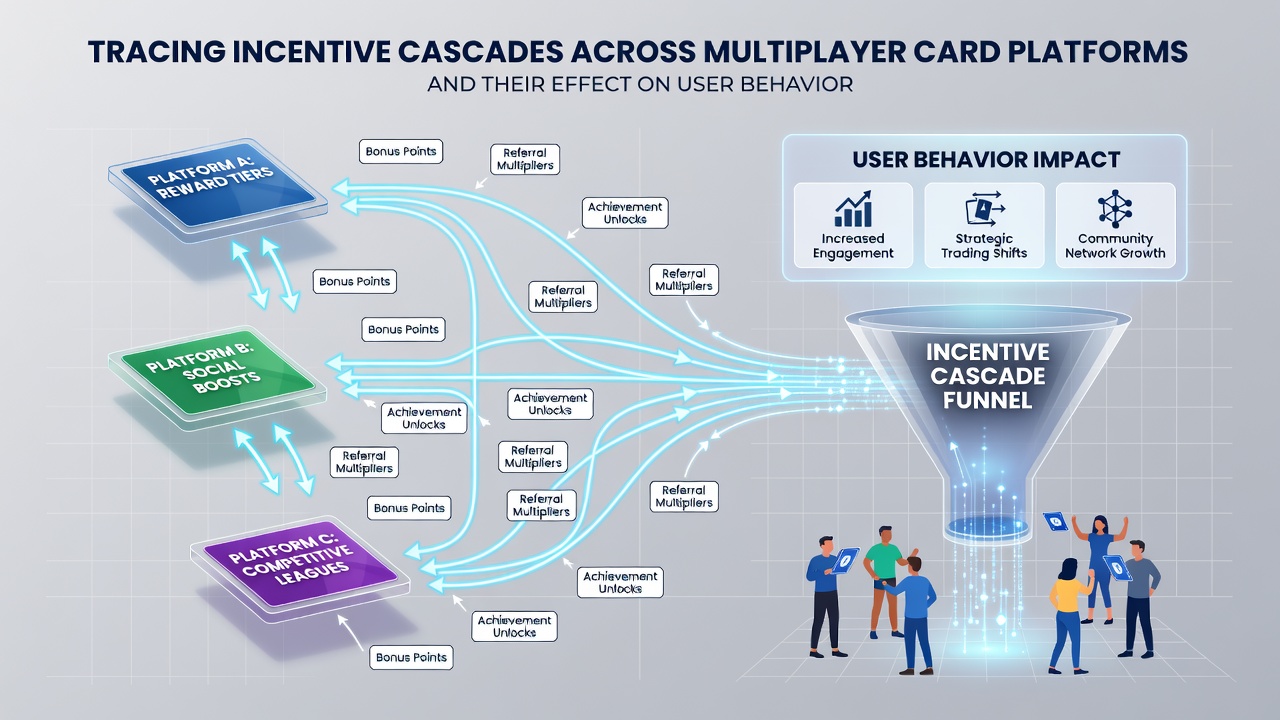
Multiplayer card platforms distribute incentives through layered referral structures and loyalty tiers that trigger sequential user actions, and data from multiple industry reports confirm these cascades alter session durations along with deposit frequencies. Researchers tracking platform analytics in August 2026 noted measurable upticks in cross-user invitations following each new reward layer activation.
Mechanics of Incentive Distribution Across Platforms
Platform operators release base rewards such as deposit matches or free tournament entries that activate additional bonuses once referred participants complete qualifying play, creating measurable propagation chains; studies from the Nevada Gaming Control Board show referral-linked accounts generate 28 percent longer average sessions than non-referred ones during the same calendar quarter. Those chains extend when secondary users unlock their own tiers and pass incentives onward, producing network-wide activity spikes that operators monitor through internal metrics dashboards.
Behavioral Shifts Documented in Recent Analyses
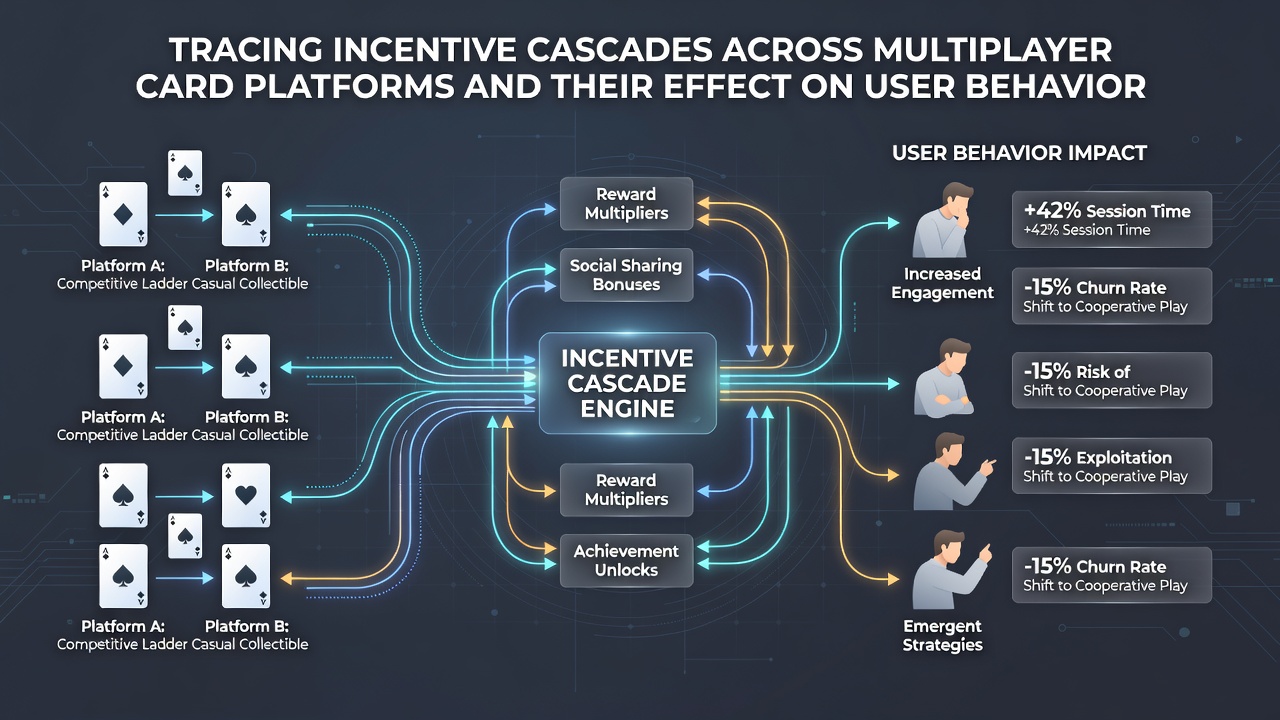
Participants exposed to cascading rewards demonstrate increased frequency of logins during promotional windows, while aggregate data from the Australian Gambling Research Centre indicates a 19 percent rise in repeat deposits among users situated three or more steps down a referral tree. Session timing patterns also shift toward peak hours when cascade notifications arrive, because automated alerts prompt immediate re-engagement from both originators and downstream recipients.
One longitudinal review of European card platform logs revealed that users who joined via second-generation referrals spent 14 percent more on in-game purchases compared with direct registrants, and this difference persisted across a six-month observation window ending in mid-2026. Platform logs further indicate that incentive depth correlates with reduced churn rates, as each additional unlocked layer appears to anchor continued participation.
Regional Regulatory Data and Platform Comparisons
Canadian provincial regulators released aggregate figures in August 2026 that linked cascading loyalty structures to elevated table-stakes selections among mid-tier account holders; those figures showed a 22 percent increase in average bet sizes once users advanced past the third reward threshold. In parallel, academic teams at the University of Sydney examined transaction records from several Asia-Pacific platforms and documented parallel trends in game-type selection, noting that cascade participants gravitated toward higher-volatility variants after unlocking milestone bonuses.
Platform operators adjust threshold values periodically to modulate cascade velocity, and internal A/B tests conducted by multiple providers demonstrate that modest increases in referral payout ratios extend chain length without proportionally raising operator cost per active user. These adjustments influence overall network density because longer chains produce denser clusters of concurrent sessions during evening windows across time zones.
Cross-Platform Linkages and Retention Metrics
Comparative datasets from North American and European operators illustrate that shared referral ecosystems between card platforms and adjacent gaming verticals amplify cascade reach; users who migrate through these linkages maintain elevated activity levels for an average of 47 additional days according to anonymized retention reports. Observers tracking these migrations note that notification timing and reward visibility directly affect how far a single incentive travels before momentum dissipates.
Evidence from industry association briefings further indicates that platforms employing tiered visibility controls achieve more controlled cascade spread, limiting unintended concentration of high-value users within small sub-networks. Such controls appear in updated terms released during the first half of 2026 and continue to shape how incentives propagate through user graphs.
Conclusion
Available metrics demonstrate that incentive cascades on multiplayer card platforms consistently correlate with extended play intervals, modified deposit rhythms, and altered game preferences across examined user cohorts. Regional regulatory summaries and academic reviews released through August 2026 supply consistent quantitative backing for these patterns while highlighting the role of threshold calibration in steering network behavior. Continued monitoring of referral depth and reward layering remains central to understanding how these systems evolve within digital card environments.