Decoding Algorithmic Layers in Progressive Punto Banco Reward Structures
Digital Punto Banco platforms operate reward ecosystems built around tiered unlock paths that determine access to bonuses, cashback rates, and exclusive features based on cumulative player activity. These systems track metrics such as total wagers, deposit frequency, and session duration through backend algorithms that calculate progression thresholds without player visibility into the exact formulas. Data from industry reports indicates that operators adjust these thresholds quarterly, with updates in July 2026 reflecting shifts toward longer engagement windows rather than single-session spikes.
Core Components of Tier Progression
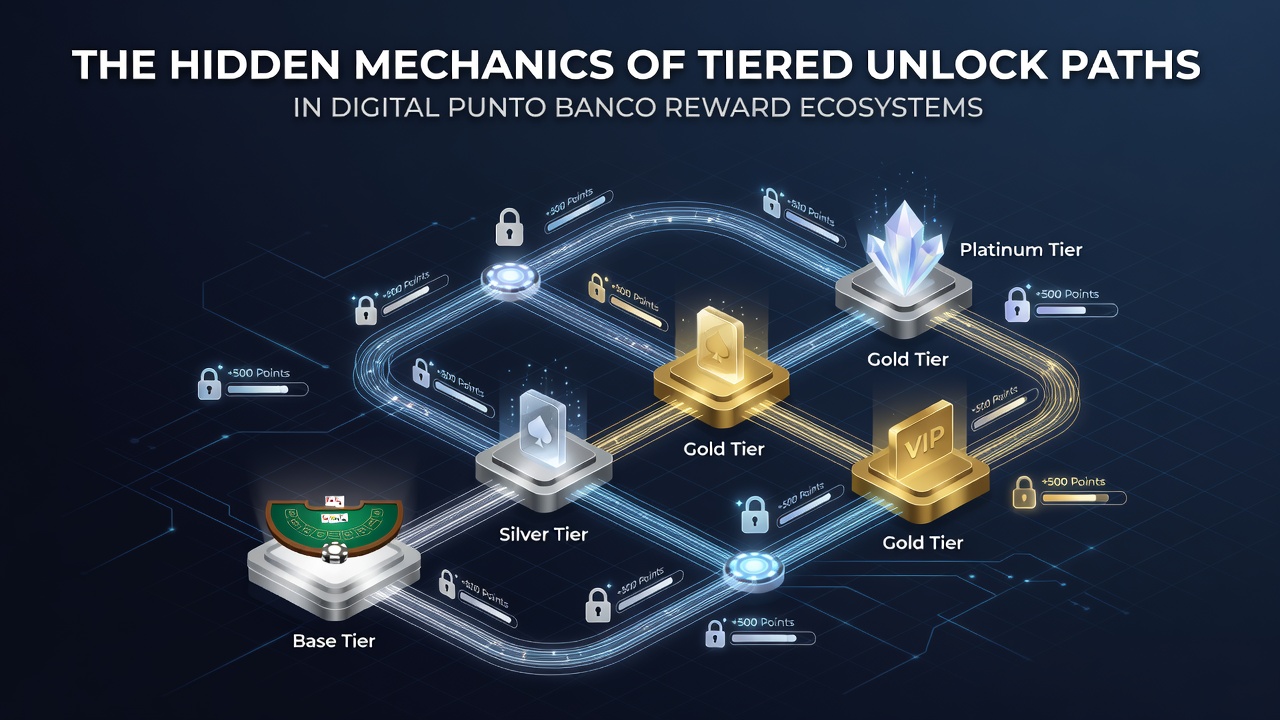
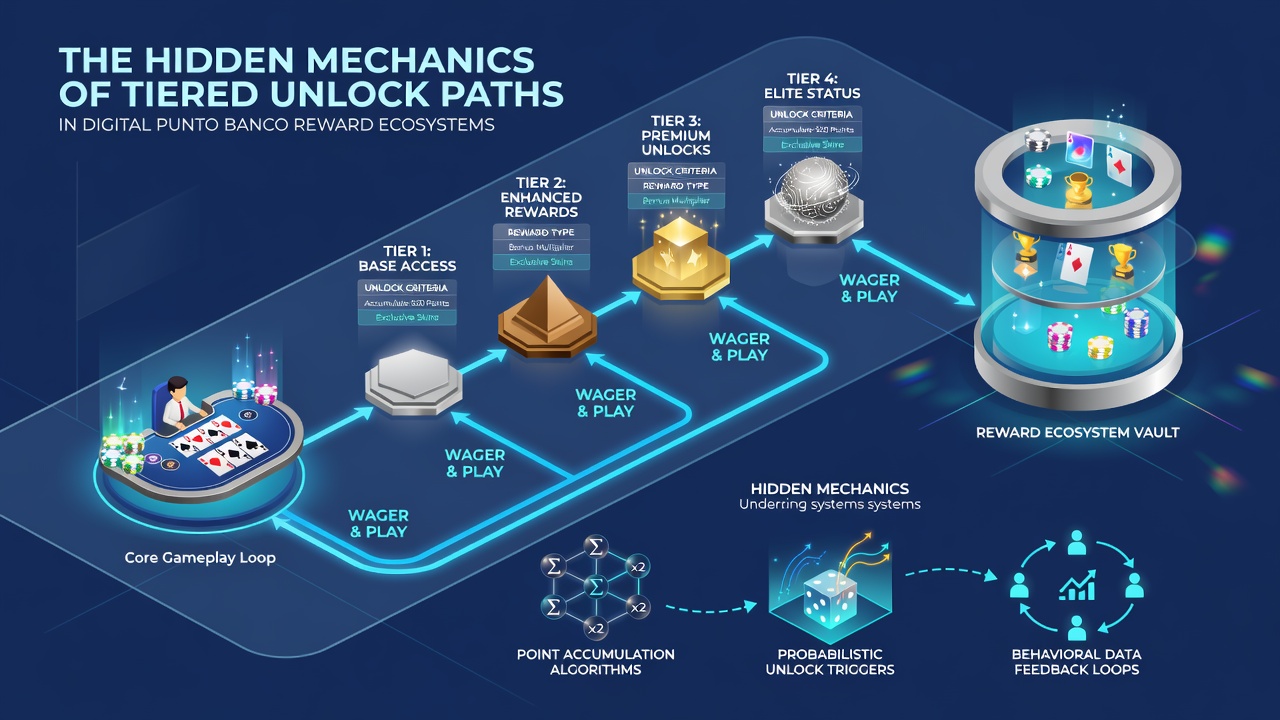
Each tier functions as a gated level where players accumulate points through specific actions, and algorithms evaluate eligibility using weighted variables that include both volume and consistency. Researchers at gaming analytics firms have documented how base tiers often require 500 to 2,000 points earned via 1 point per 10 euros wagered, while mid-tier unlocks demand additional qualifiers such as three deposits within 30 days. Advanced tiers incorporate multipliers tied to game type, with Punto Banco sessions sometimes weighted higher due to house edge calculations embedded in the tracking software.
Observers note that unlock paths rarely follow linear patterns; instead, conditional branches activate when certain combinations occur, such as reaching a deposit threshold during a promotional window. One study from the University of Nevada's gaming research division revealed that platforms in regulated markets apply randomized elements to unlock timing, preventing predictable farming strategies and maintaining engagement curves across user segments.
Algorithmic Thresholds and Session Influence
Hidden mechanics within these ecosystems rely on real-time data processing that monitors player behavior against predefined models. Thresholds for tier advancement incorporate hold percentages and player drop metrics, which operators fine-tune using historical datasets from previous quarters. Figures from the Nevada Gaming Control Board show that Punto Banco tables in digital environments experienced a 12 percent increase in average session length during periods when tier unlocks aligned with deposit milestones, suggesting direct linkage between reward visibility and continued play.
But here's the thing: many platforms embed decay functions that reduce inactive points over time, forcing players to maintain activity levels to preserve tier status. This mechanism connects to broader retention models where cross-platform notifications trigger at 70 percent of the next unlock requirement, encouraging incremental deposits rather than large single transactions. Industry associations across the European Union have tracked similar patterns, noting that Punto Banco variants show higher sensitivity to these nudges compared to other table games because of the game's straightforward ruleset and rapid round pace.
Interconnected Networks and Referral Integration
Tiered paths often intersect with referral chains, where new player acquisitions contribute to the referrer's progression meter through shared activity bonuses. Algorithms assign fractional credit to existing accounts when referred users complete their first three sessions, creating extended network effects that lengthen overall platform dwell time. Reports from the Australian Communications and Media Authority highlight how these linkages extend average play durations by 18 percent in card-focused environments during the first half of 2026.
What's interesting is the way mobile app interfaces surface partial progress indicators while concealing full unlock criteria. Players receive visual cues about nearing a tier boundary, yet the precise multiplier adjustments for Punto Banco wagers remain opaque. This design choice aligns with regulatory guidelines in multiple jurisdictions that require transparency on bonus terms while permitting flexibility in algorithmic weighting.
Regional Variations in Implementation
Implementation differs across markets due to local regulations governing bonus structures and player protection measures. Platforms licensed in the United States emphasize deposit-based unlocks with strict verification layers, whereas Asian-focused operators integrate social elements such as leaderboards that feed into tier calculations. Data compiled by the Canadian Gaming Association indicates that hybrid models combining both approaches yielded the most stable retention rates through mid-2026.
Conditional unlocks tied to specific game selections further complicate the landscape, with Punto Banco sometimes serving as a high-weight activity in certain ecosystems because of its popularity among high-volume players. External research from academic institutions continues to examine how these mechanics interact with overall wagering patterns without revealing proprietary operator formulas.
Conclusion
Tiered unlock paths in digital Punto Banco reward ecosystems represent sophisticated combinations of tracking algorithms, conditional thresholds, and behavioral nudges that shape player progression across multiple layers. These systems evolve through quarterly adjustments informed by performance data, with notable shifts observed in July 2026 toward consistency-based qualifiers. External sources including regulatory reports and academic studies provide ongoing insight into these structures while operators maintain competitive differentiation through refined implementations.