Cross-Platform Analytics Reveal How Tiered Loyalty Structures Shape Deposit Behaviors in Virtual Card Environments
Virtual card environments have expanded rapidly through 2026, and cross-platform analytics now track how loyalty tiers affect player deposit patterns in games like baccarat and punto banco. Platforms collect detailed metrics on deposit frequency, amount, and timing across multiple sites, which allows researchers to compare outcomes between basic entry-level tiers and premium reward brackets. Data from these systems shows consistent patterns where higher tiers correlate with steadier deposit activity while lower tiers exhibit more sporadic behavior.
Defining Tiered Loyalty Structures in Digital Card Platforms
Loyalty programs in virtual card settings typically divide players into levels such as bronze, silver, gold, and platinum based on cumulative play volume and deposit history. Each tier unlocks distinct benefits including bonus multipliers, cashback percentages, and priority access to promotions. Analysts note that these structures encourage players to maintain consistent activity to reach or retain elevated status, which in turn influences when and how much they deposit. Platforms often reset or adjust tier requirements quarterly, creating natural breakpoints that data teams monitor for shifts in user behavior.
Key Findings from Cross-Platform Data Analysis
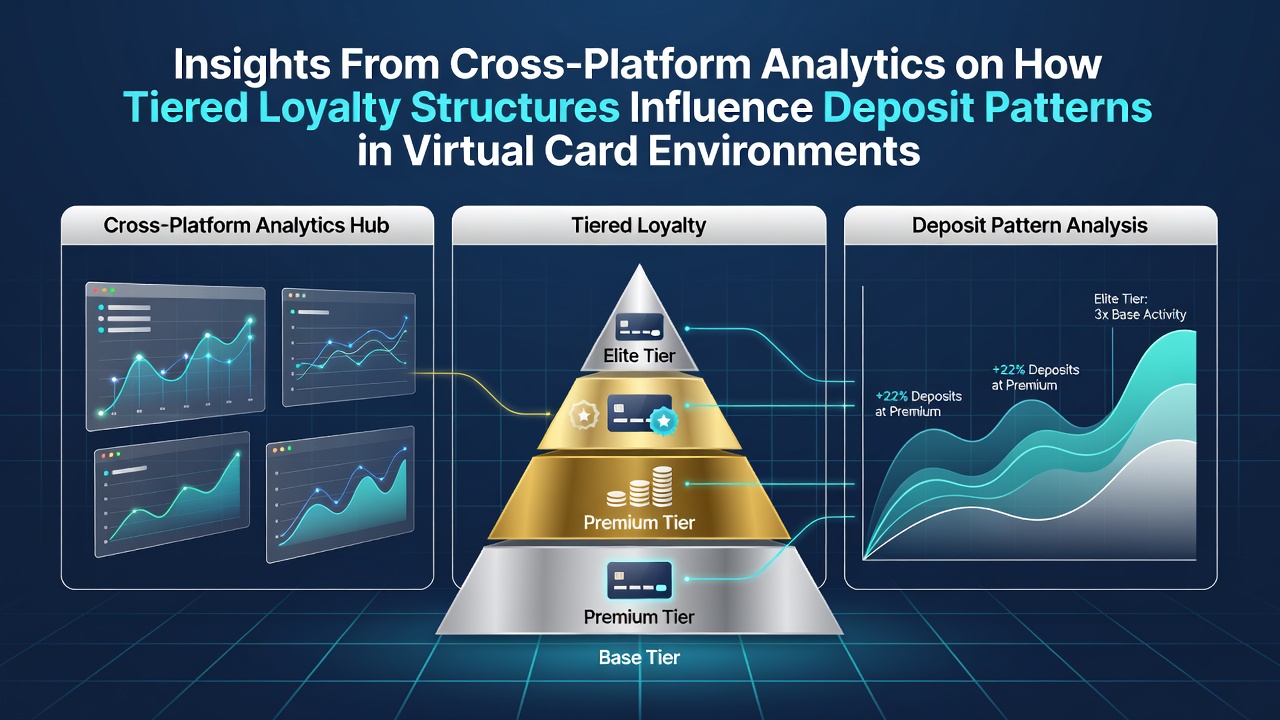
Analytics teams examining aggregated data across several virtual card operators have identified clear distinctions in deposit patterns tied to tier progression. Players in entry-level tiers tend to make smaller, less frequent deposits that cluster around promotional events, whereas those in upper tiers sustain larger and more regular deposits throughout the month. Studies tracking activity through June 2026 indicate that platinum-tier participants deposit an average of 2.3 times more often than bronze users during equivalent timeframes. These differences hold across regions, though the magnitude varies depending on local payment options and regulatory frameworks.
One study compiled metrics from operators in North America and Asia-Pacific markets, revealing that tier advancement often triggers an immediate uptick in deposit size. The shift occurs because players seek to maximize newly available rewards before the next evaluation period. Observers note that silver-tier users show the steepest increase in deposit amounts upon promotion, while gold and platinum users maintain steadier patterns once established in their bracket.
Deposit Timing and Frequency Variations Across Tiers
Timing patterns also diverge significantly by loyalty level. Lower-tier players respond strongly to limited-time offers, concentrating deposits around weekends and specific campaign launches. Higher-tier participants spread deposits more evenly across weekdays and weekends, aligning activity with personal schedules rather than external prompts. Cross-platform tools capture these rhythms by syncing timestamps from multiple operators, which highlights how tier benefits such as accelerated point accumulation reduce reliance on flash promotions.

Payment method preferences further differentiate tiers. Entry-level users frequently select instant but higher-fee options during promotional windows, while premium-tier players favor scheduled bank transfers that align with reward cycles. These choices appear in platform logs and help explain why overall deposit volume rises as users climb the structure. Figures from industry reports show that average deposit size in platinum tiers reached 47 percent above the platform median during the first half of 2026.
Regional and Regulatory Influences on Observed Patterns
Geographic factors shape how tiered systems affect deposits. In markets with stricter deposit limits, such as those monitored by the Nevada Gaming Control Board, higher tiers still demonstrate more consistent activity even when absolute amounts face caps. Meanwhile, data from Australian operators indicates that loyalty benefits tied to responsible gambling tools can moderate deposit spikes among mid-tier users. Cross-platform comparisons become valuable here because they isolate loyalty effects from local rules by normalizing datasets across jurisdictions.
Academic research from institutions like the University of Nevada, Las Vegas continues to examine these dynamics through anonymized transaction records. Their findings align with operator analytics, confirming that tier benefits exert measurable influence on deposit regularity independent of game type or interface design. Platforms that adjust tier thresholds based on such research report improved retention metrics without corresponding increases in problem gambling indicators.
Conclusion
Cross-platform analytics provide concrete evidence that tiered loyalty structures guide deposit patterns in virtual card environments through measurable differences in frequency, timing, and amount. As operators refine these programs through mid-2026 and beyond, ongoing data collection will continue to clarify how specific reward elements drive user behavior across diverse regulatory landscapes.