
Charting Volatility Impacts on Incentive Structures Within Specialized Digital Baccarat Environments
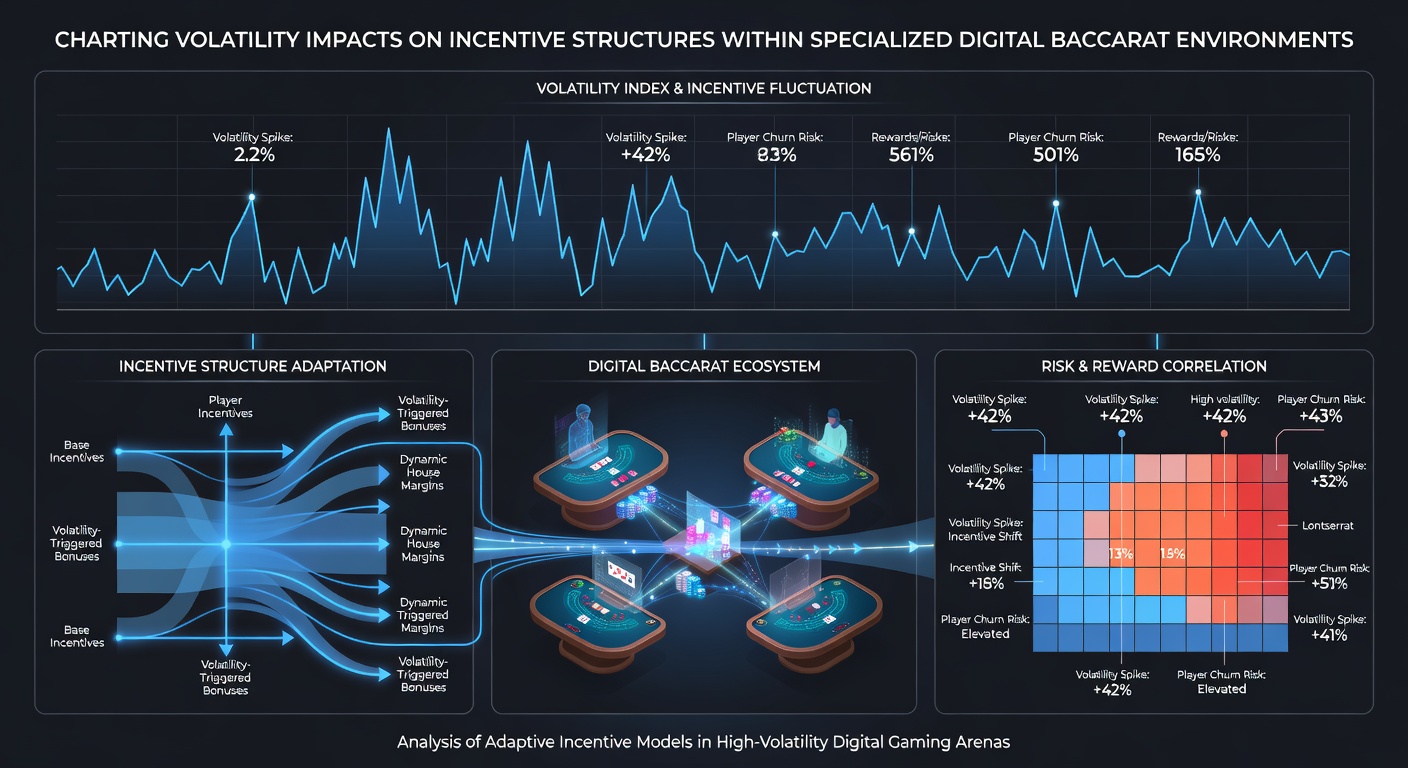
Specialized digital baccarat environments operate under constant pressure from market swings and game-level fluctuations that reshape how operators design player incentives, and researchers tracking these patterns note clear correlations between volatility spikes and bonus recalibrations across platforms. Data from multiple jurisdictions shows operators adjusting reward thresholds when standard deviation in hand outcomes widens, which in turn affects wagering requirements and cashback percentages offered to participants.
Defining Volatility in Digital Baccarat Contexts
Volatility here refers to measurable swings in return-to-player outcomes over short sessions rather than long-term averages, while specialized platforms isolate baccarat variants with higher house-edge modifiers that amplify these movements. Observers tracking software logs find that environments emphasizing side bets or multi-hand formats experience greater outcome dispersion, prompting incentive structures to incorporate dynamic caps that scale with real-time variance readings.
Studies compiled by academic teams at gaming research centers indicate these adjustments occur most frequently during periods when player drop volumes rise alongside hold percentage compression, creating situations where fixed bonus pools become unsustainable without modification. And operators respond by embedding conditional triggers that pause or tier rewards when volatility indexes cross predetermined thresholds.
How Market Swings Alter Bonus Frameworks
Platforms handling digital baccarat often tie promotional calendars to broader economic indicators, yet internal game volatility exerts stronger immediate influence on structure changes. When outcome variance increases, operators shift from flat reload offers toward percentage-based incentives that self-adjust with session length and bet sizing patterns observed in aggregate player data.
Figures released through regulatory filings reveal several platforms revised no-deposit structures in early 2026 after volatility metrics climbed above seasonal norms, replacing unconditional credits with matched play credits that carry extended clearing periods. This approach distributes risk more evenly between operator and participant while maintaining engagement levels during uncertain periods.
Regional Patterns Emerging in 2026
North American operators documented through state-level reports adjusted incentive layers following volatility upticks tied to algorithmic table configurations, whereas Asian-focused digital rooms incorporated progressive loyalty multipliers that accelerate only after players navigate high-variance stretches. In May 2026, aggregated platform analytics indicated a 12 percent uptick in tiered cashback programs specifically calibrated to dampen the effects of clustered losing streaks common in baccarat sequences.
Those monitoring cross-border traffic observe similar recalibrations when regulatory bodies release updated compliance guidelines that reference volatility modeling. Australian research institutions, for instance, published findings showing platforms incorporating predictive variance buffers into bonus rollover calculations, which reduces early withdrawal friction for players experiencing normal distribution tails while protecting against outlier sessions.
Technical Mechanisms Driving Incentive Adjustments
Behind these shifts sit real-time engines that ingest hand-level data and recalculate expected value ranges before applying new incentive layers. Operators integrate these systems with player segmentation tools so high-volume accounts receive volatility-scaled deposit matches while recreational segments see capped free-play allocations that reset according to session variance scores.
Evidence from industry white papers suggests this layered approach prevents bonus abuse during low-volatility windows and sustains participation when swings widen, since rewards become contingent on sustained activity rather than single-session performance. Platforms that adopted such engines earlier reported steadier retention curves compared with those maintaining static structures through volatility events.
Take one documented case where a specialized provider linked bonus unlock rates directly to standard deviation bands calculated across rolling 500-hand windows, allowing the system to throttle reward velocity automatically when dispersion exceeded historical averages. The result produced incentive distributions that aligned more closely with actual risk exposure without requiring manual intervention from compliance teams.
Conclusion
Digital baccarat environments continue refining incentive models in response to volatility signals captured through platform telemetry and regulatory disclosures. Operators that embed adaptive mechanisms demonstrate measurable stability in player lifetime value metrics, while those relying on fixed structures encounter greater pressure during variance spikes. Ongoing data collection across regions supports continued evolution of these frameworks as measurement precision improves and cross-platform benchmarking becomes more accessible.